
The Biomedical Engineering Hub is part of the core Technology Hubs under the School of Electrical and Electronic Engineering. It aims to provide a conducive environment and infrastructure for staff and students to be involved in applied Research and Development (R&D) work in the areas of healthcare and rehabilitation. The Hub focuses on the development of solutions for step-down care.
We are seeking collaborations with industry and academic/research institutes in internship programmes, industry-related and applied R&D projects in Biomedical Technologies; including specialisation areas such as Biomedical Equipment & Practices, Biomedical Instrumentation, Medical Informatics & Telemedicine, Medical Imaging & Image Processing, Wearables, and Biomedical Signal Processing & Analysis.
The Hub is located at Level 6, T12A @ SP.
Capabilities and Technical Services
Backed by the vast experience of the members, the Biomedical Engineering Hub provides technical consultations, training, seminars and project collaborations to government agencies, educational institutes, businesses and industry partners in these technology areas:
In addition, we also provide customised courses to retrain and upgrade manpower for the relevant industries.
Project Showcase
Contactless Music Activating System
The contactless music activating system is designed and built for children and teenagers undergoing upper limb rehabilitation. The purpose is to engage these users, who may lack the motivation to complete the regiment of rehabilitation exercises that can be physically challenging and emotionally draining, through a unique experience of music creation. Funded by Ideafarm funding, this project is developed in collaboration with music therapists from KK Women's and Children's Hospital.
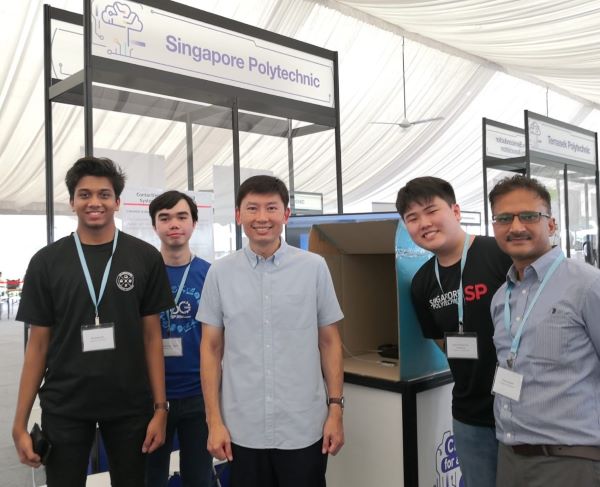
CMAS Team
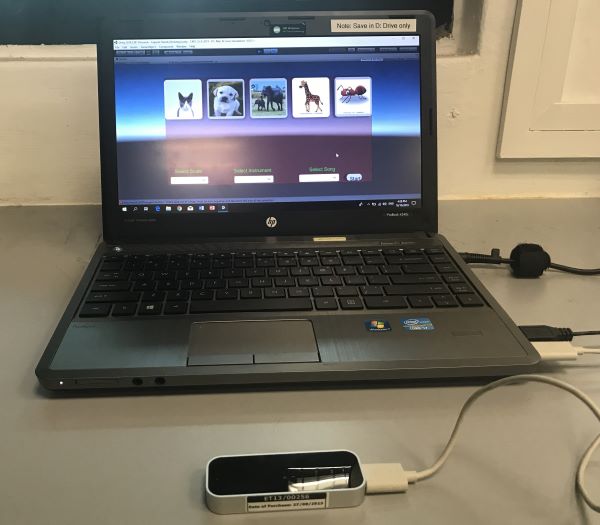
Overall System CMAS
Music Technology Activity Game
Music Technology Activity Games (M-TAG) brings Virtual-Reality (non-immersive) music games to the homes of paediatric patients undergoing upper limb rehabilitation during and post Covid. It aims to drive a patient's progress, engagement and motivation during their rehabilitation journey using gamification, elements of music therapy and data analysis. M-TAG uses the patient’s hand to manipulate controls such as game movements to rehabilitate their upper limbs through specifically designed exercises.
The setup makes use of a leap motion controller unit (for contactless upper limbs movement detection) to play interactive games developed using Unity software with C# programming. The setup also enables therapist to seamlessly track a patient’s progress securely via real-time data stored on the Cloud. M-TAG was developed based on valuable feedback from our collaborators who are Music Therapists at KK Women’s and Children’s Hospital.
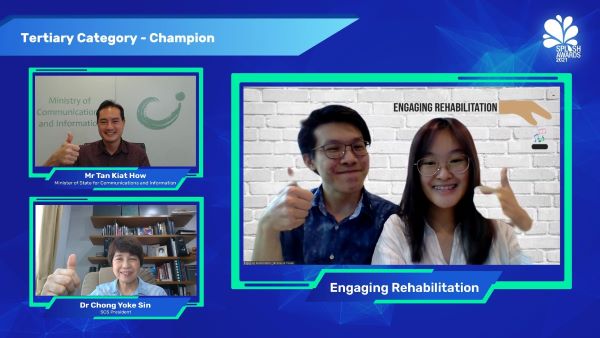
The project emerged as Champion for the Tertiary Category in the Singapore Computer Society (SCS) Splash Awards 2021 for the theme, “How will Digital Intelligence & Cloud transform Singapore in a Post-Pandemic World?”.
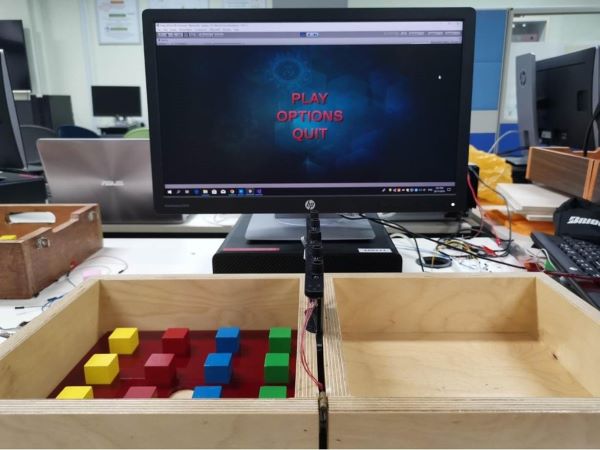
Gamified Block and Box Test (gBBT)
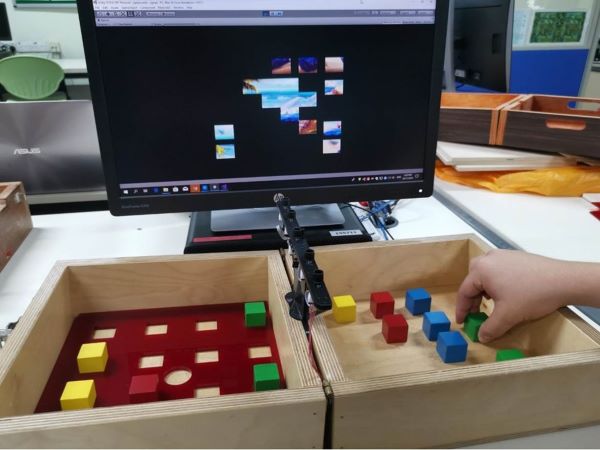
The gamified Block and Box test (gBBT) is an adaptation of functional test used for assessing the gross manual dexterity for upper limb rehabilitation. Since it is easy to administer, the Block and Box test is one of the rehabilitation tests widely used by physiotherapists. However, in the original test, a patient must repeatedly transfer as many blocks as they can within a specified time limit. This project intends to improve the usefulness of the Block and Box by embedding sensors into the test and creating a game that goes well with the test. The sensors can reduce the manual effort of clinicians and allow them to do more people-orientated tasks while administering the test. The game-like environment helps to engage the patients and motivate them to complete their rehabilitation.
Development of Blood Vessel Strengthening Technique using Near-Infrared Combi Therapy (NIRCT)
The project was to develop a low-cost device to strengthen and accelerate the maturation rate of arteriovenous fistulae (AVF) to enhance the success rate and retain the patency using near-infrared (NIR) therapy. This project is funded by Tote-board SIR grant.
Design and Development of Portable Hand-held Non-Invasive InfraRed (NIR) Based Device for Arteriovenous Fistula (AVF) Maturation and Blood Vessel Strengthening Technique for Dialysis Patients:
To develop a low-cost device to strengthen and accelerate the maturation rate of arteriovenous fistulae (AVF) to enhance the success rate and retain the patency using near-infrared (NIR) therapy. This project is funded by MOE-TIF grant.
Intellisense Bed - An Anti-seating and Patient Position System for Bed Sore Prevention in a Clinical Environment:
The Intellisense bed reduces the occurrence of bed sores forming on elderly and bedridden patients and is capable of monitoring the position of the patient on the bed as well as the temperature of the bed. This project was funded by Tote-board SIR grant.
Development of Rehabilitative Pet Robots for Motivation and Assessment of Elderly Residents:
The project was to develop rehabilitative pet robots for motivation and assessment of elderly residents. Funded by Tote-board SIR grant, this project received Merit Prize in the IES Innovation Challenge – Community 2018 and was one of the Top 5 prizes in Samsung Solve for Tomorrow 2018.
The project was featured in the Straits Times on 12 November 2018:
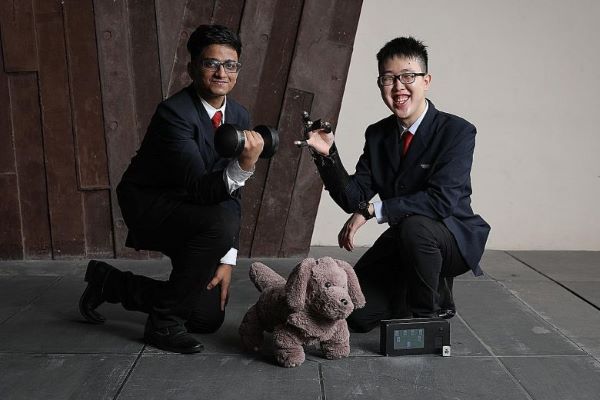
Image courtesy of Straits Times (12 November 2018)
Collaboration
The hub has worked with the following partners:

Singapore Polytechnic
500 Dover Rd Singapore 139651