This theme highlights the use of cutting-edge digital tools and technologies; these projects demonstrate how digital solutions can enhance efficiency, connectivity, and user experiences across various sectors.
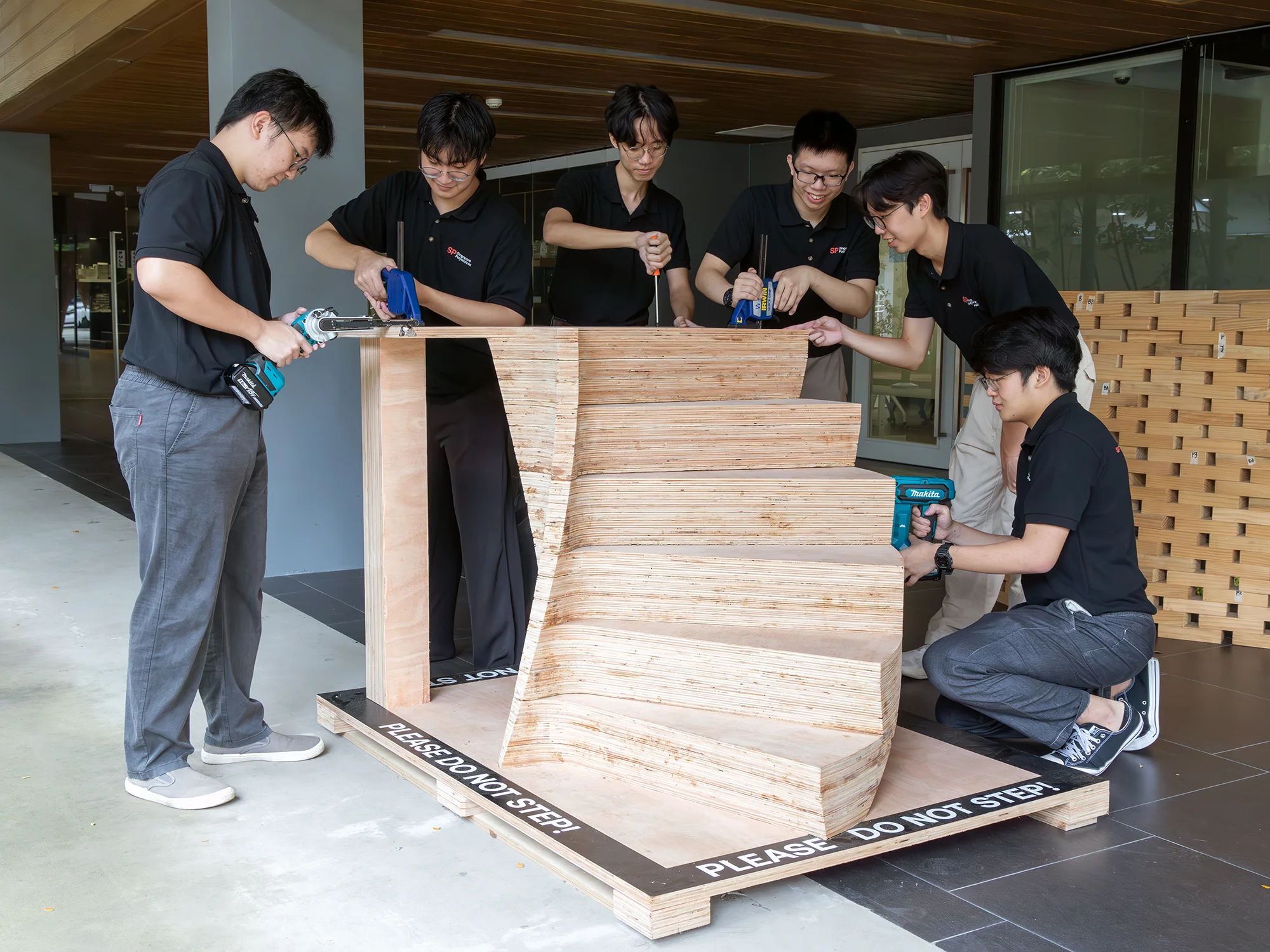
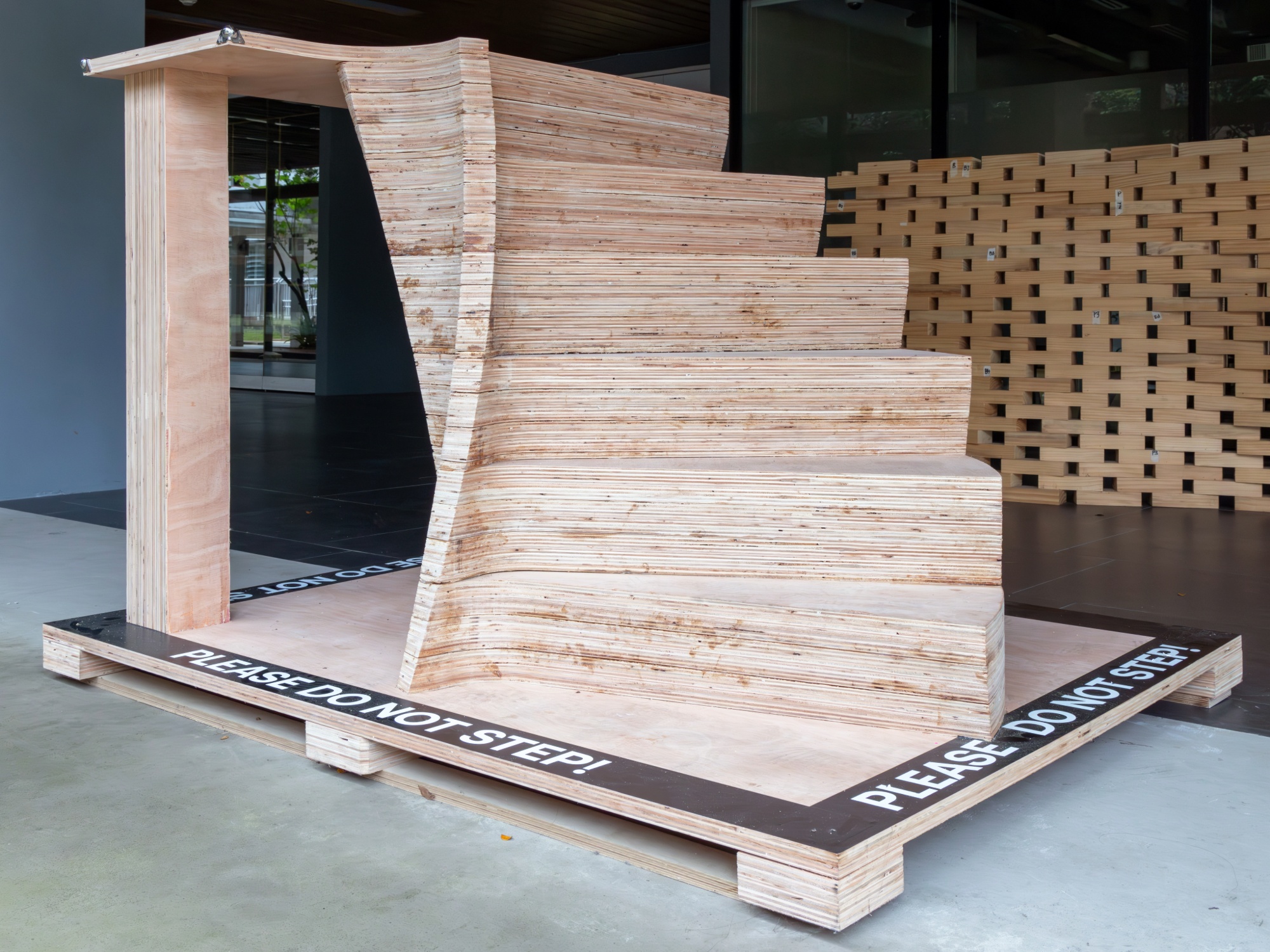
Aligning with BCA and IMDA’s initiative to encourage Robotics and Automation, 5-axis CNC milling addresses the issues of productivity and quality of manufacturing non-orthogonal components. A computational design to manufacturing process which translates digital design geometries for milling, allows non-orthogonal timber-building components to be manufactured more easily with high precision and turnaround-time improvement.
Student finishing up the prototype for circular timber stair.
TEAM MEMBERS: Fashihah Adilah Binte Juana | Goh Yu Herng | Liu Yifeng | Jung Hye In | Suvinesan Sudalairajan |Tay Bing Khai | Kelly Teh Ke Xin | Chen Xu | Chia Wee Herng Keith | Tan Lin Xuan Andrea | Lucas Linenn Fua | Seet Iain | Joel Lye Zheng Jie | Hoi Hin Lun | Roy Lee Feng Xu | Seah Rui Jie Matthew | Kayden Ang Yuan Xi | Mohamed Fadhil Ghouse | Matthew Chong Jian Hua | Arquillano Jireh Ladera | Chuan Teck Suan | Trisha Mahmood |Chong Kar Hee | Kee Zheng Kai | Max Minwoo Jachtner
COURSE: Diploma in Architecture | Diploma in Landscape Architecture | Diploma in Interior Design
SCHOOL: Architecture & the Built Environment
As industries embrace digital transformation, automation and AI will drive the future of the food industry. This project showcases two innovations.
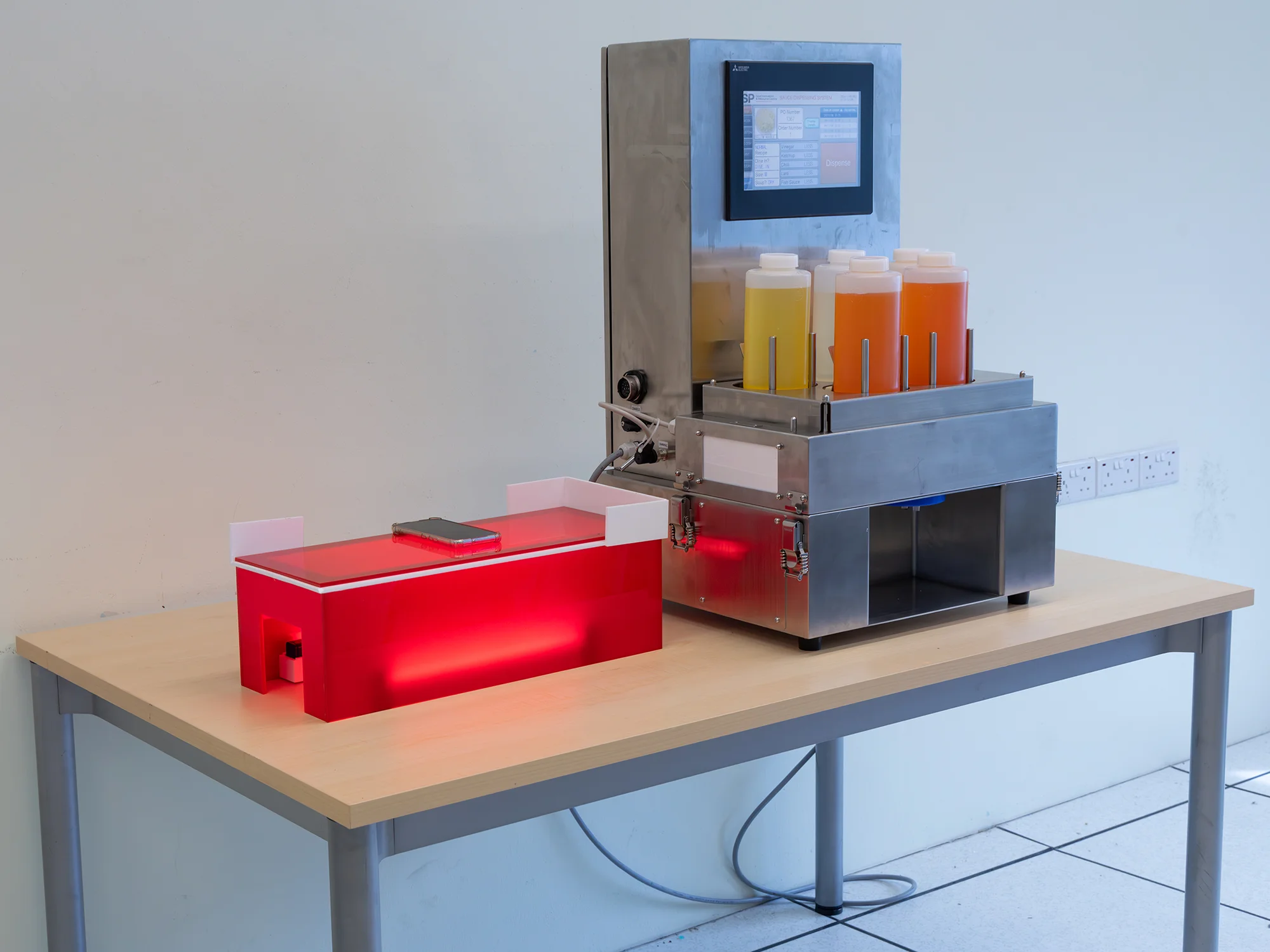
The first is an automated food-ordering system that streamlines kitchen operations. Customers' orders are transmitted directly from the POS to an automated kitchen equipment for precise sauce and ingredient dispensing. This ensures consistent quality, faster service and real-time data monitoring for continuous optimization.
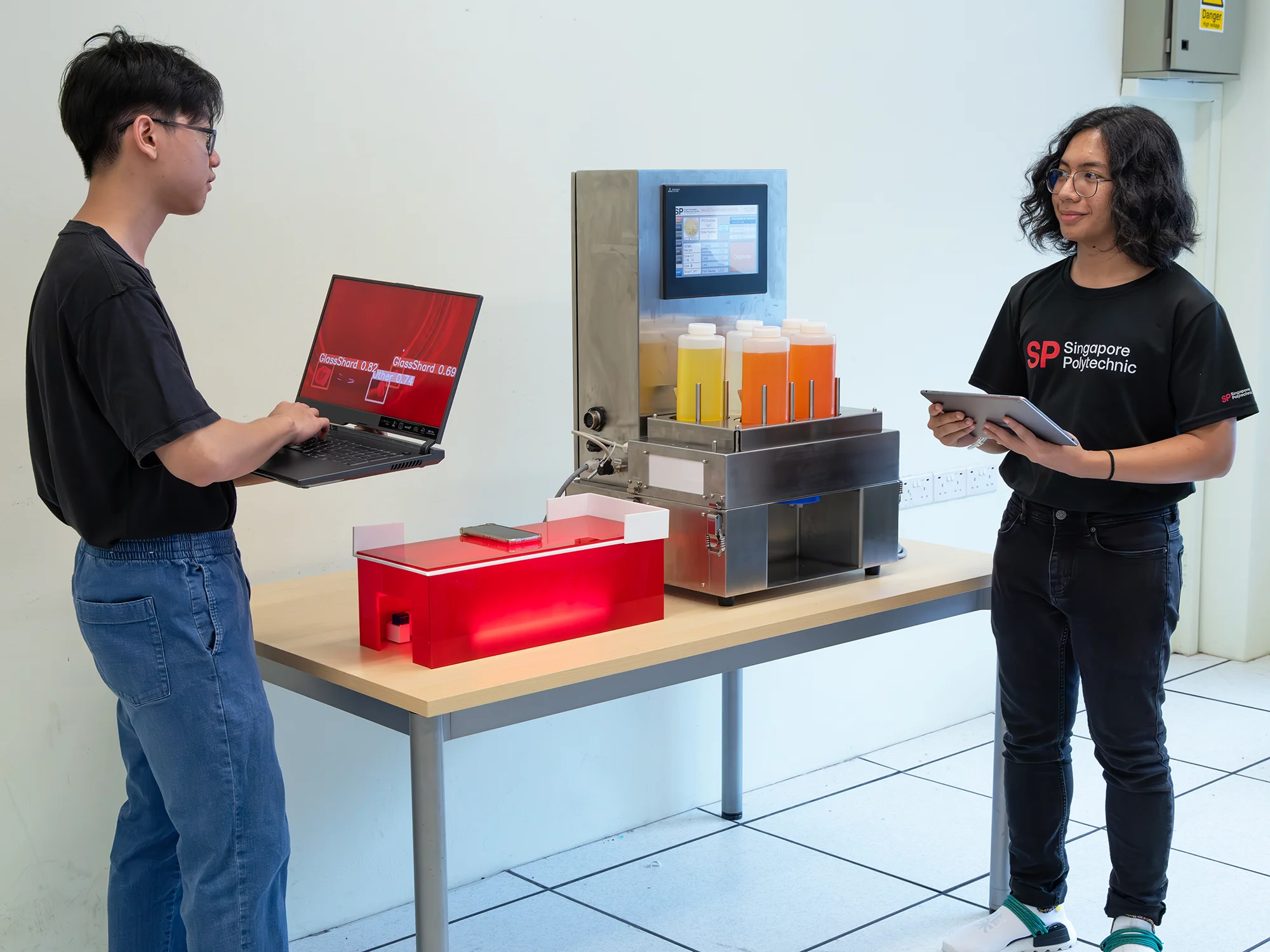
The second application harnesses the power of AI with a cost-effective glass defect detection system. Using YOLOv9 on Raspberry Pi, it boosts inspection accuracy and sends real-time alerts via Telegram, outpacing traditional manual or X-ray methods in speed and precision, improves efficiency and freeing up manpower in the kitchen.
Semi-automated food ordering system with AI-drivena glass defection detection.
Students working on the project, writing the software codes.
TEAM MEMBERS: Lim Dong Le Davier | Wee Ning Qian Jeanette | Ezra Bin Yusof
COURSE: Diploma In Computer Engineering | Diploma in Electrical & Electronic Engineering
SCHOOL: Electrical & Electronic Engineering
INDUSTRY PARTNERS: Mitsubishi Electric Asia Pte Ltd | SP Food Innovation & Resource Centre
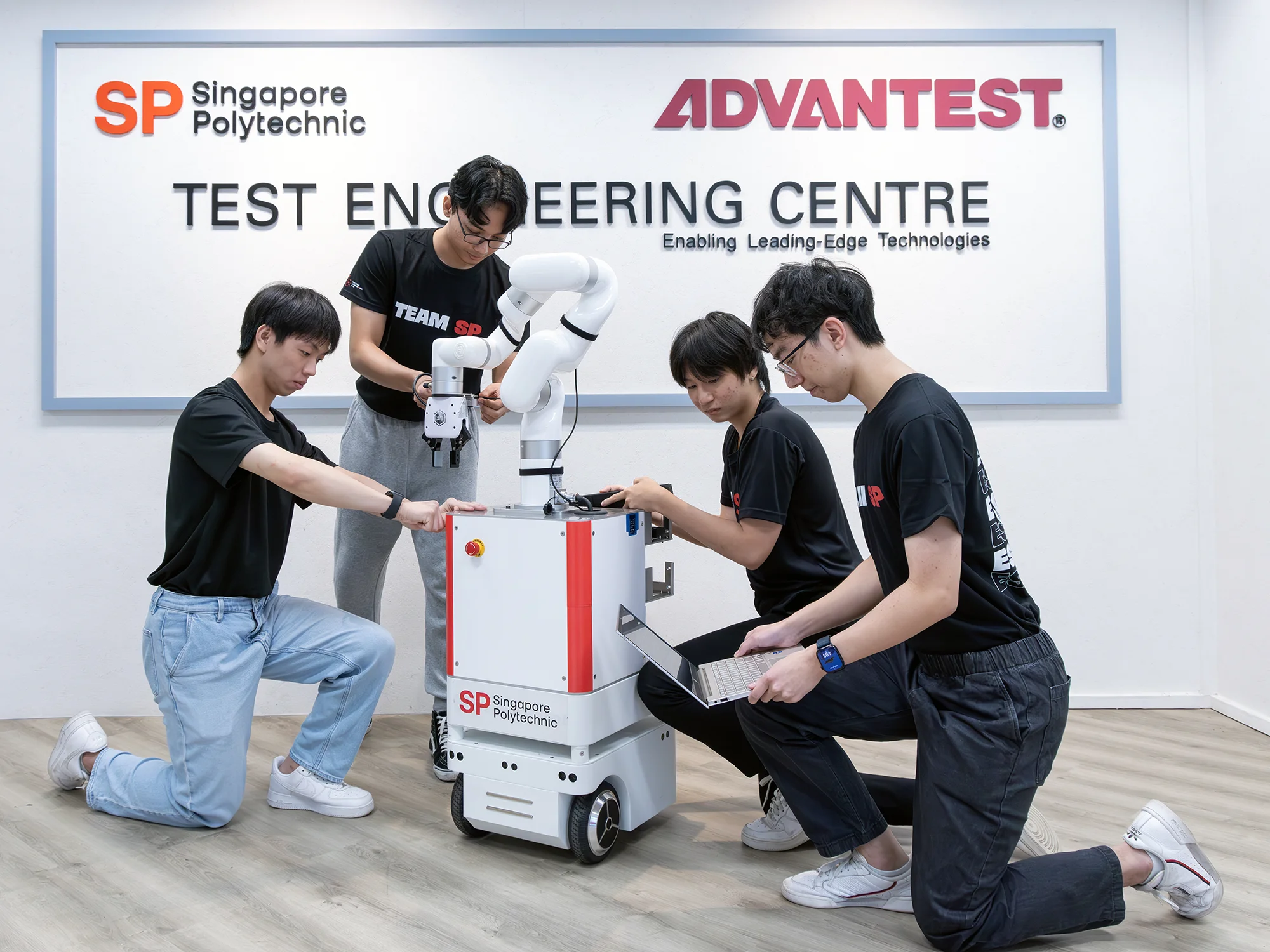
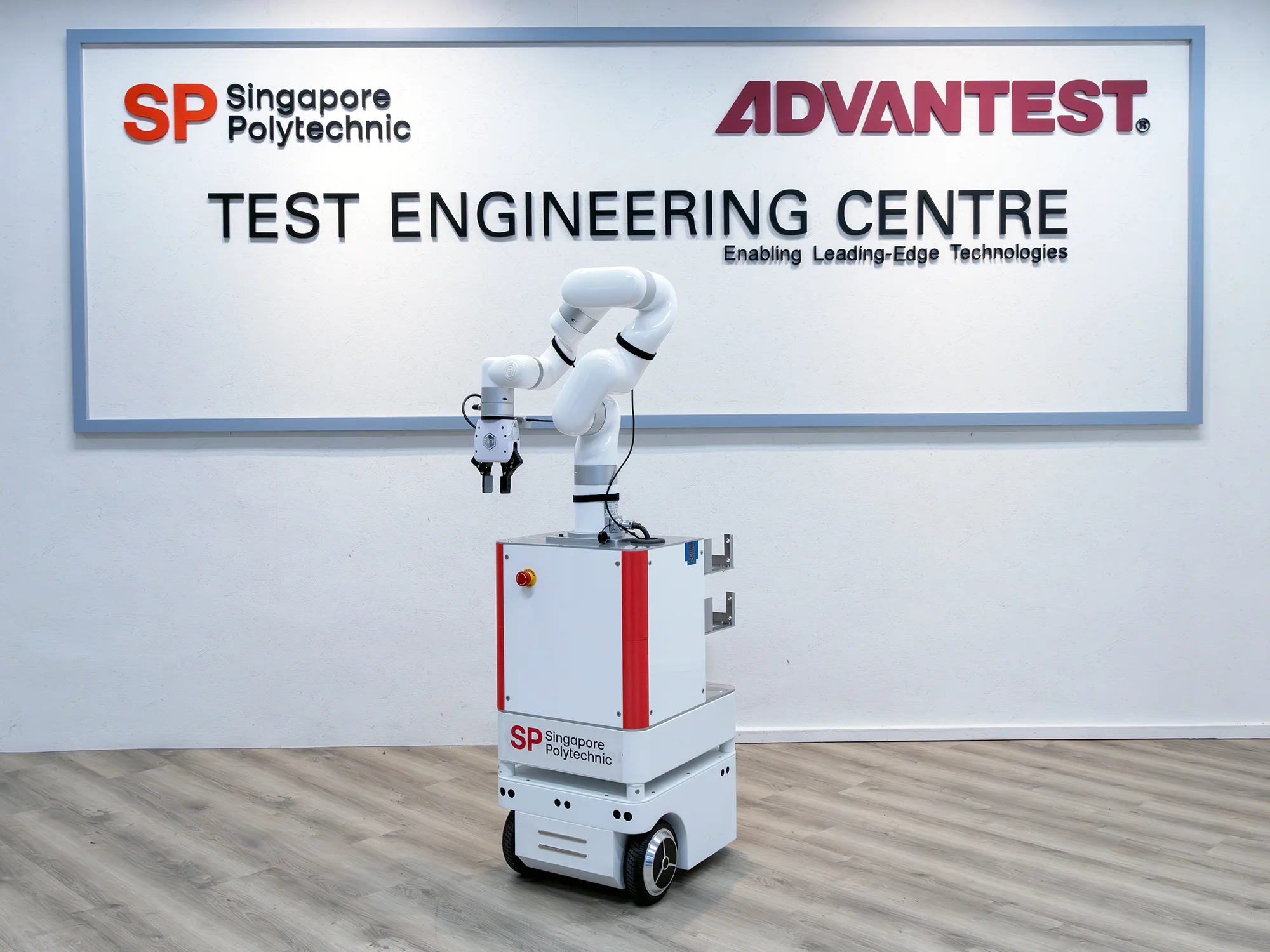
In collaboration with Advantest, this project takes IC testing to a whole new level with mobile manipulators, leaving the limitations of fixed robots behind. This innovation empowers, with the flexibility needed to adapt to Industry 4.0.
With built-in self-charging, beyond reducing manpower, this innovation optimizes energy use, turning automation into a smart, sustainable powerhouse.
Discover the future of flexible IC testing.
Students learning to use the mobile manipulator and its components.
The mobile manipulator is in charge of doing machine tending.
TEAM MEMBERS: Muhammad Bin Mohd Zaidi | Ryan Tan Chuin Wei | Lim Yu Che | Chua Wen Xiang | Tay Kai En
COURSE: Diploma In Computer Engineering | Diploma in Electrical & Electronic Engineering
SCHOOL: Electrical & Electronic Engineering
INDUSTRY PARTNER: Advantest (Singapore) Pte Ltd
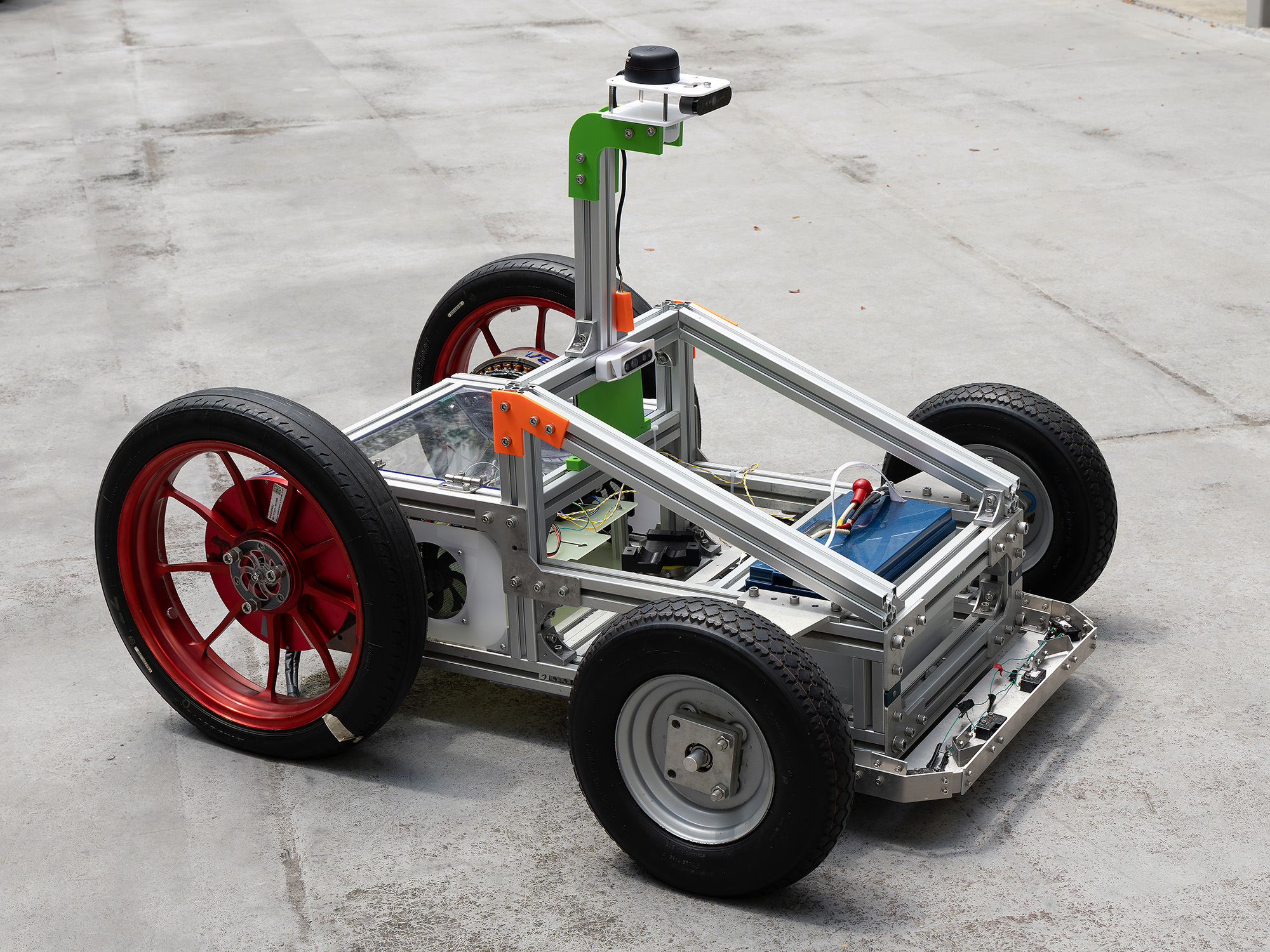
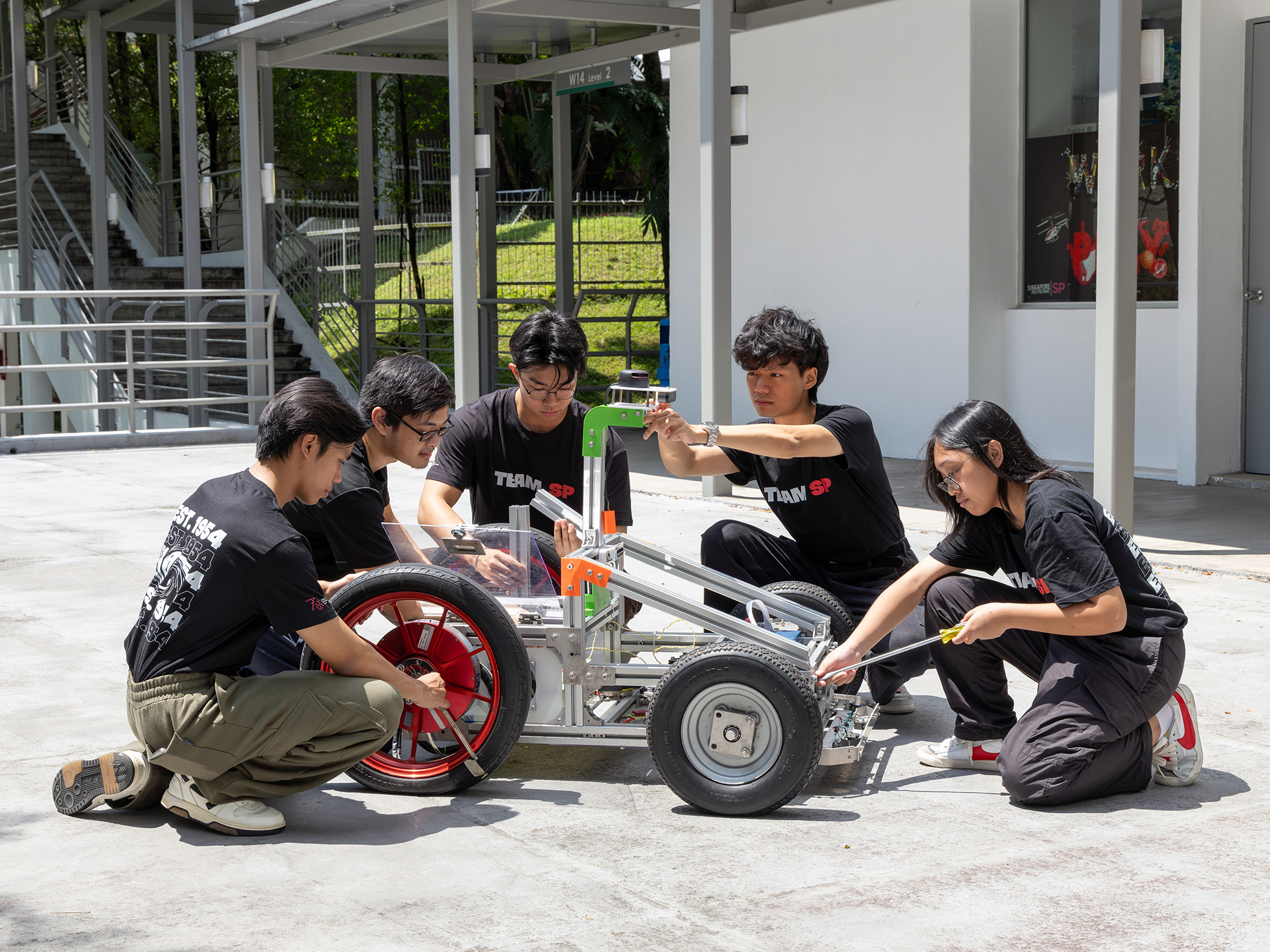
A 2kW DC Brushless motor is controlled using computer vision, realised by using AI [By using deep learning (Neural Networks) on Single Board Computers]. The Motors can be control remotely by Computer Vision (for example, via wireless connection) and a mini electric vehicle can be built to house the 2Kw motor. The main focus of the project will be the implementation of AI to the mini-vehicle using Nvdia Jetson Orin to make it self-drive. Another focus is to implement a feasible mechanical braking system for the mini-vehicle.
Mini EV powered by LiFEPO4 battery with two drive mode; Manual and Autonomous.
Students troubleshooting the Mini Electric Vehicle.
TEAM MEMBERS: Olar Sarah Marie Bulac | Caleb Peh Qixuan | Chen Yi Keefe | Asri Bin Jainudin | Lim Wei Bin
COURSE: Diploma in Mechatronics & Robotics
SCHOOL: Mechanical & Aeronautical Engineering
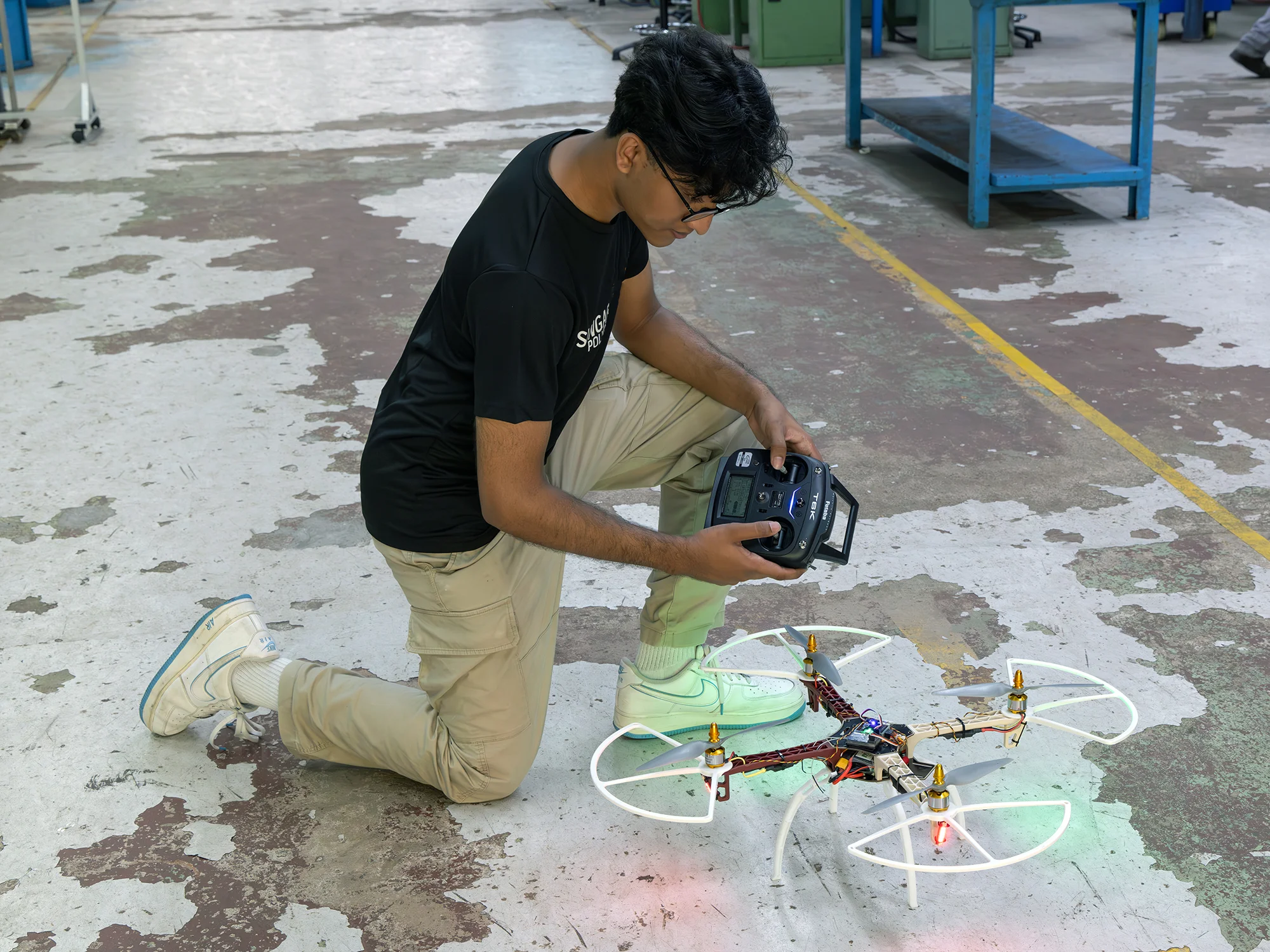
Man Overboard (MOB) incidents are a significant safety concern on cruise ships, with an average of 19 cases reported annually and a 72% fatality rate. Factors contributing to these incidents include alcohol consumption, rough seas and reckless behavior. Rescue operations are often time-critical, and delays can drastically reduce the chances of survival. This project seeks to improve maritime safety by deploying unmanned aerial vehicles (UAVs) equipped with cameras, voice alert systems, lifebuoys and battery recharging feature . Drones have proven to be effective in search-and-rescue efforts by covering large areas quickly and transmitting live footage to responders.
The setup is designed for efficient deployment in demanding environments.
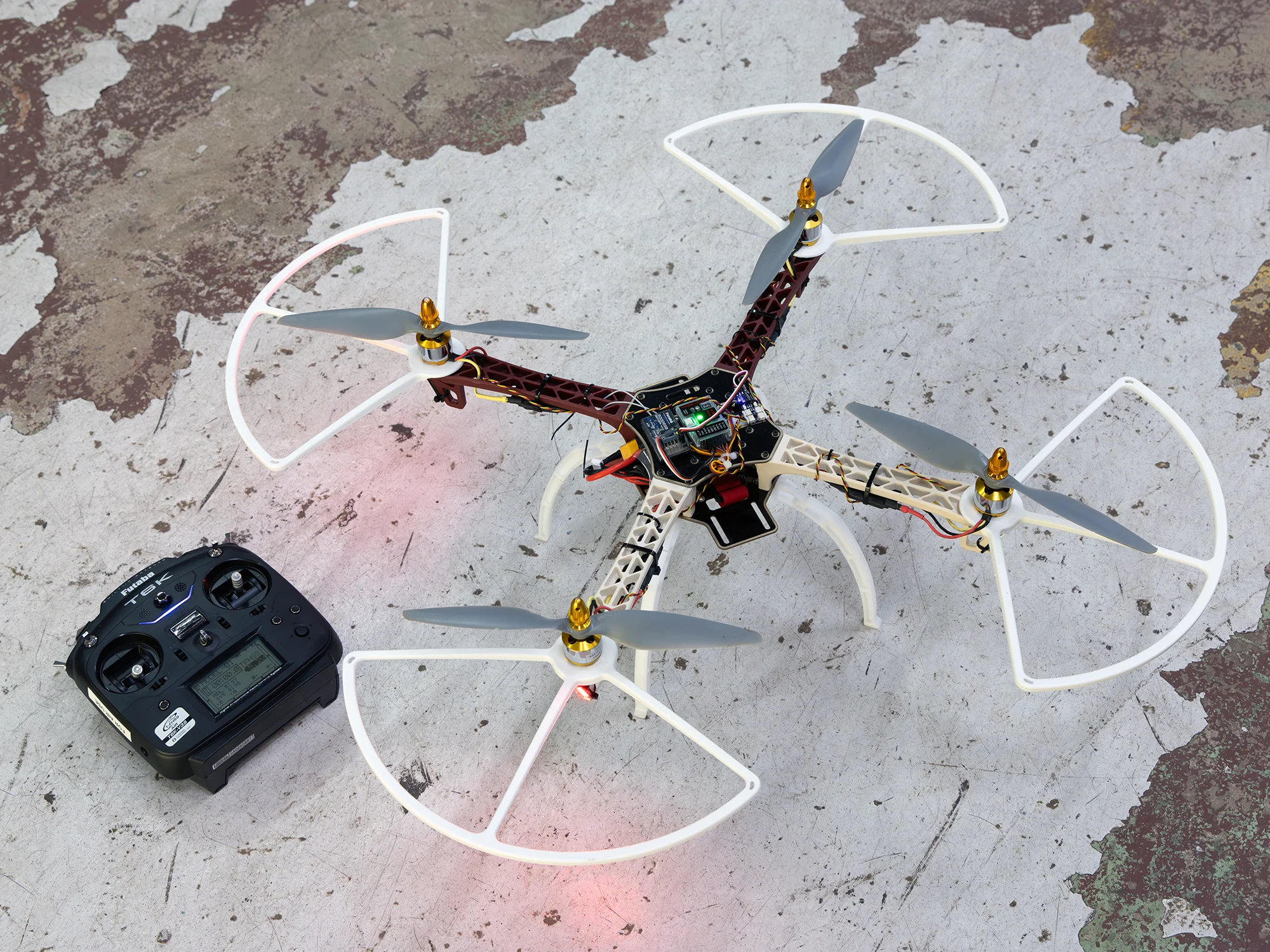
A quadcopter drone designed for search-and-rescue missions involving lifebuoy deployment.
TEAM MEMBERS: Murugan S/O Sivakumar | Guvendra Nair | Enzo Budiono | Dedrick Tan Seng Huat
COURSE: Diploma in Marine Engineering
SCHOOL: Singapore Maritime Academy | Electrical and Electronic Engineering | Mechanical and Aeronautical Engineering
Kusu Island – The Turtle’s Legacy
Kusu Island, one of Singapore’s 64 islands, holds a captivating tale of transformation and hope. According to folklore, a giant turtle saved two stranded fishermen and later turned itself into the island, providing shelter and sprouting new life. This project delves into the evolution of this story, highlighting the turtle’s sacrifice and its role as a symbol of protection and sanctuary. Through various depictions, the project celebrates Kusu Island’s cultural and historical significance as a place of refuge and spiritual importance in Singapore’s maritime heritage.
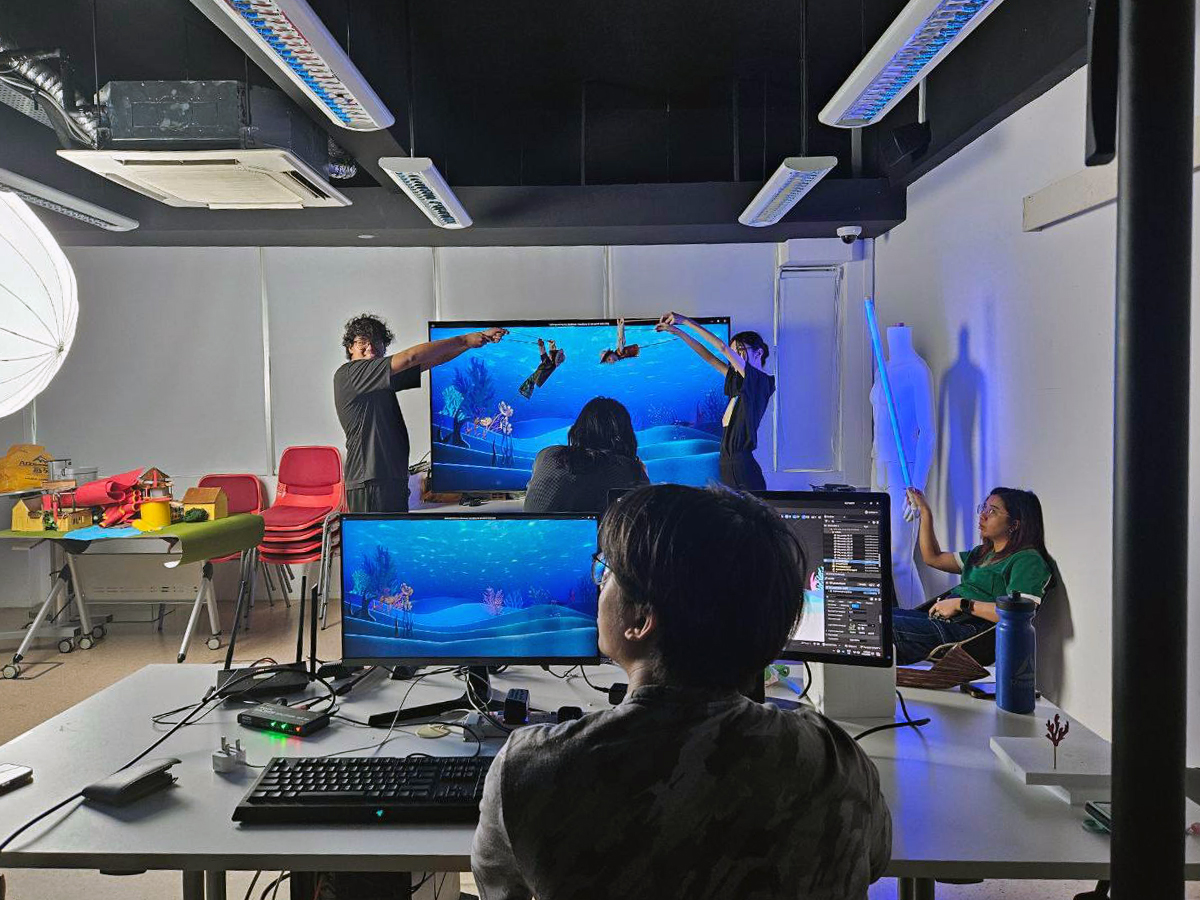
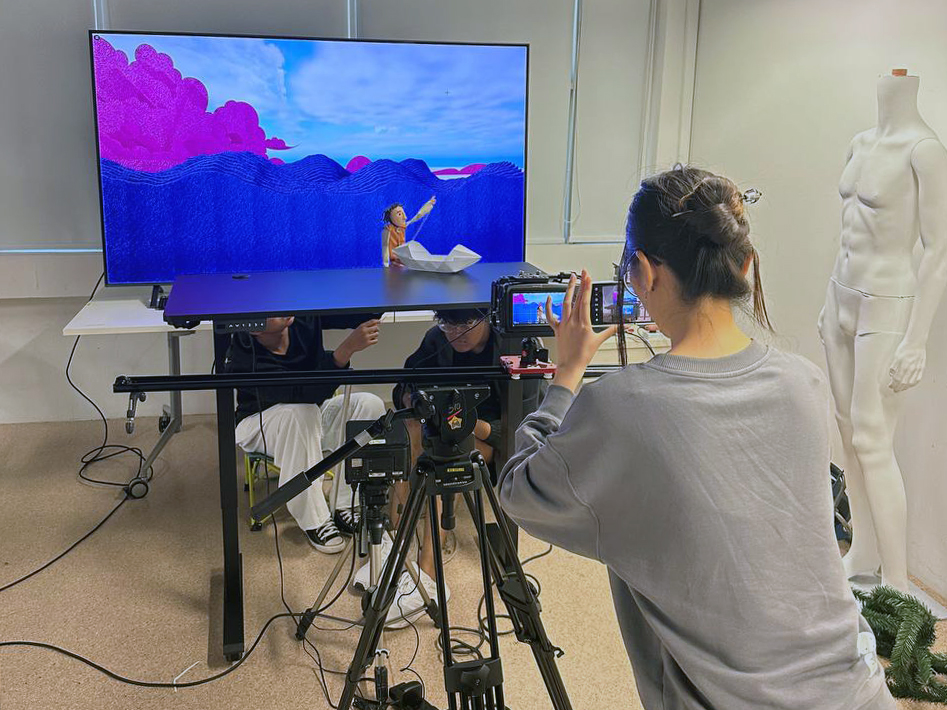
Students use virtual production to create an immersive underwater scene.
Immersive storytelling via virtual production, creative set-up and digital backdrops.
TEAM MEMBERS: Min Thuta | Amirul Akhmal Binhassan | Nur Syasya Binte Abdulsamad | Junia Lim Si-Hui| Ashlee Ho Yu En
COURSE: Diploma in Media, Arts & Design
SCHOOL: Media, Arts & Design
Drones play a crucial role in the digitalization of sustainable practices, offering versatility across various applications. However, many commercially available drones contribute to e-waste, as a single component failure often necessitates a complete teardown.
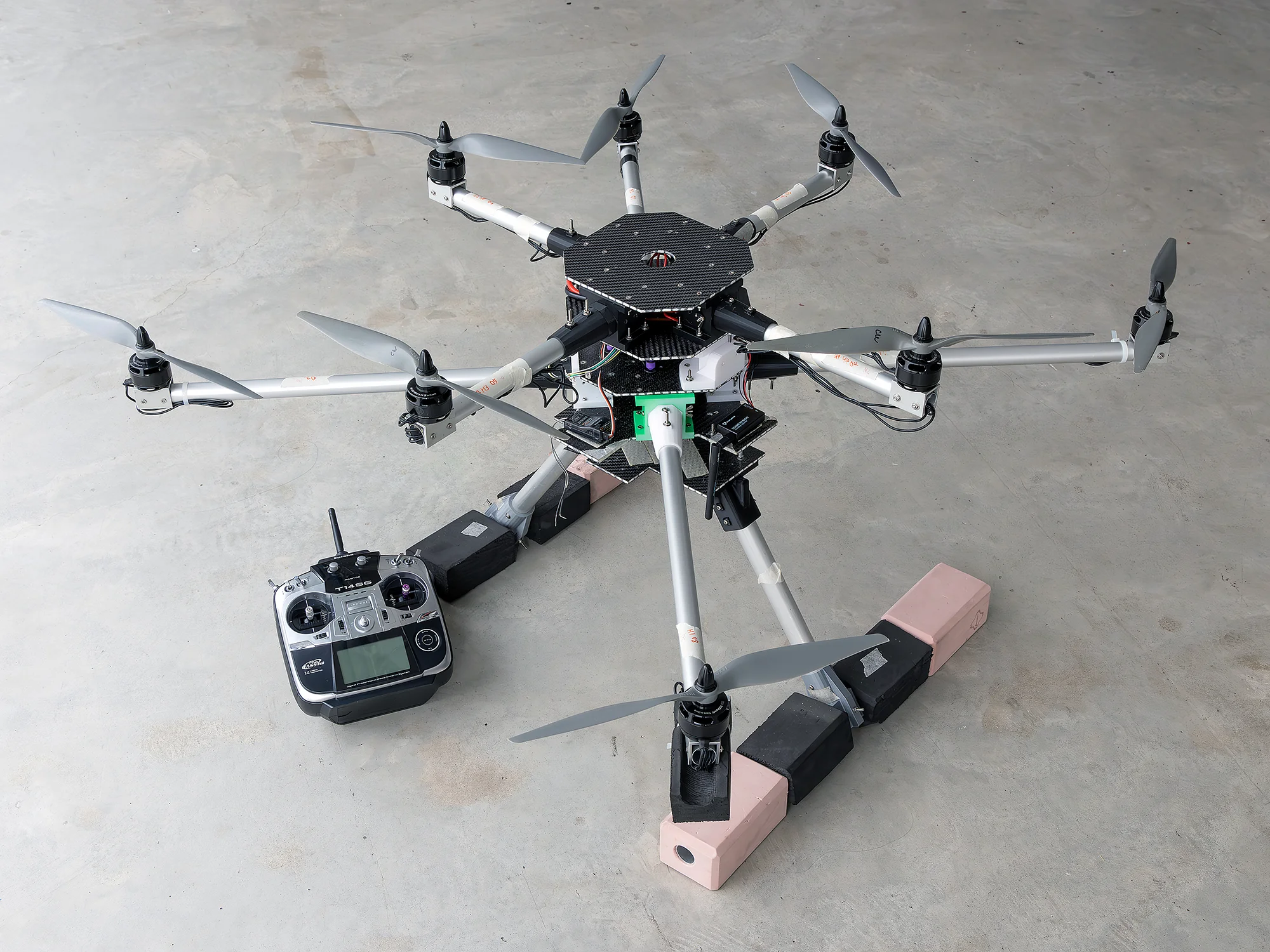
To address this issue, a modular drone has been developed as a proof of concept, emphasizing usability, repairability and sustainability. This design aims to reduce e-waste by allowing easy replacement of individual parts, promoting a more eco-friendly approach to drone technology.
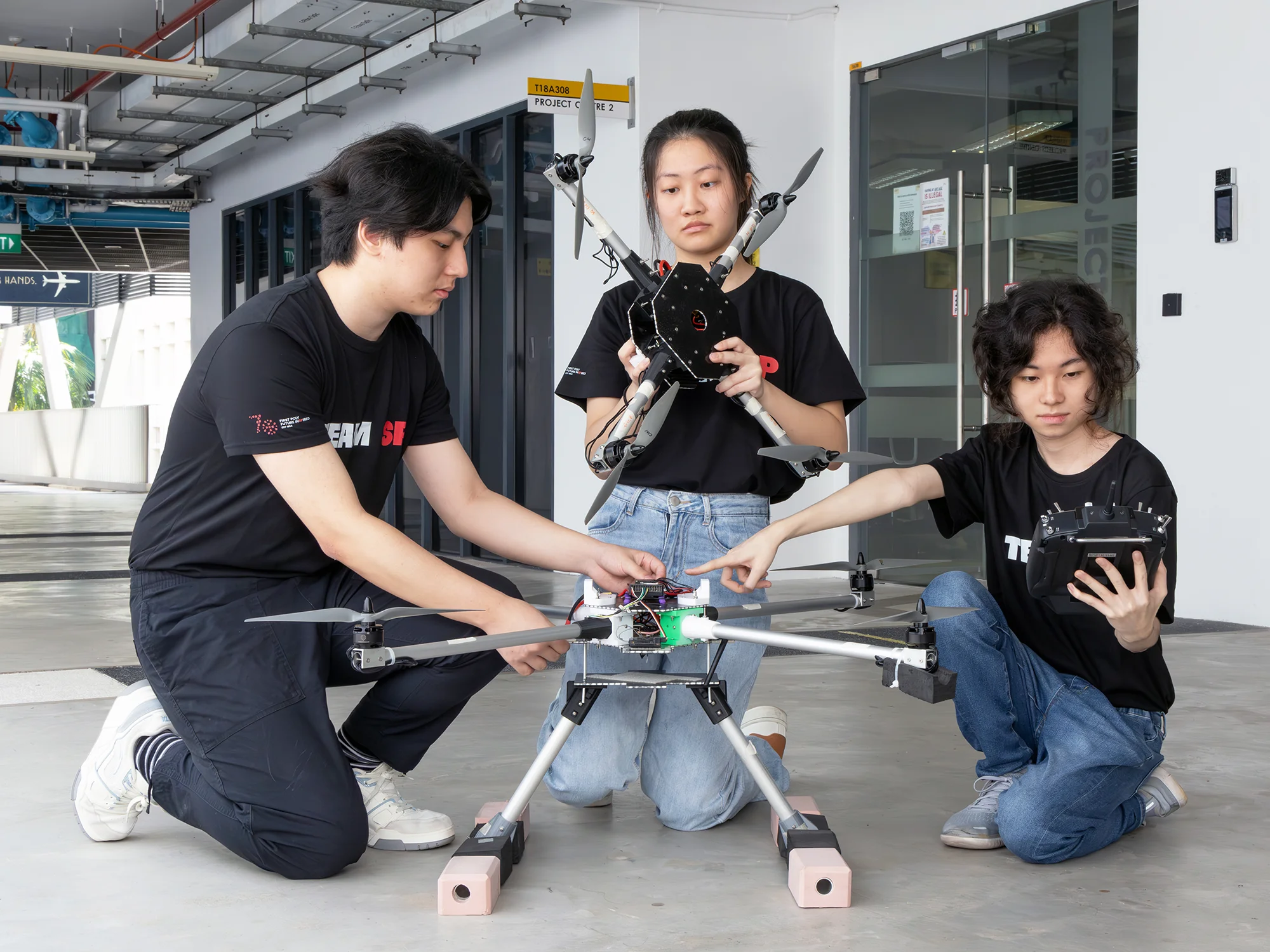
Students preparing the UAS for flight, from 4-rotor configuration to 8-rotor configuration.
Prototype of Unmanned Aerial System developed for a wide range of operations sustainably.
TEAM MEMBERS: Ryan Lee Ren Loong | Yew Hui Xuan Chalyn | Yin Haojia
COURSE: Diploma in Aeronautical Engineering
SCHOOL: Mechanical & Aeronautical Engineering
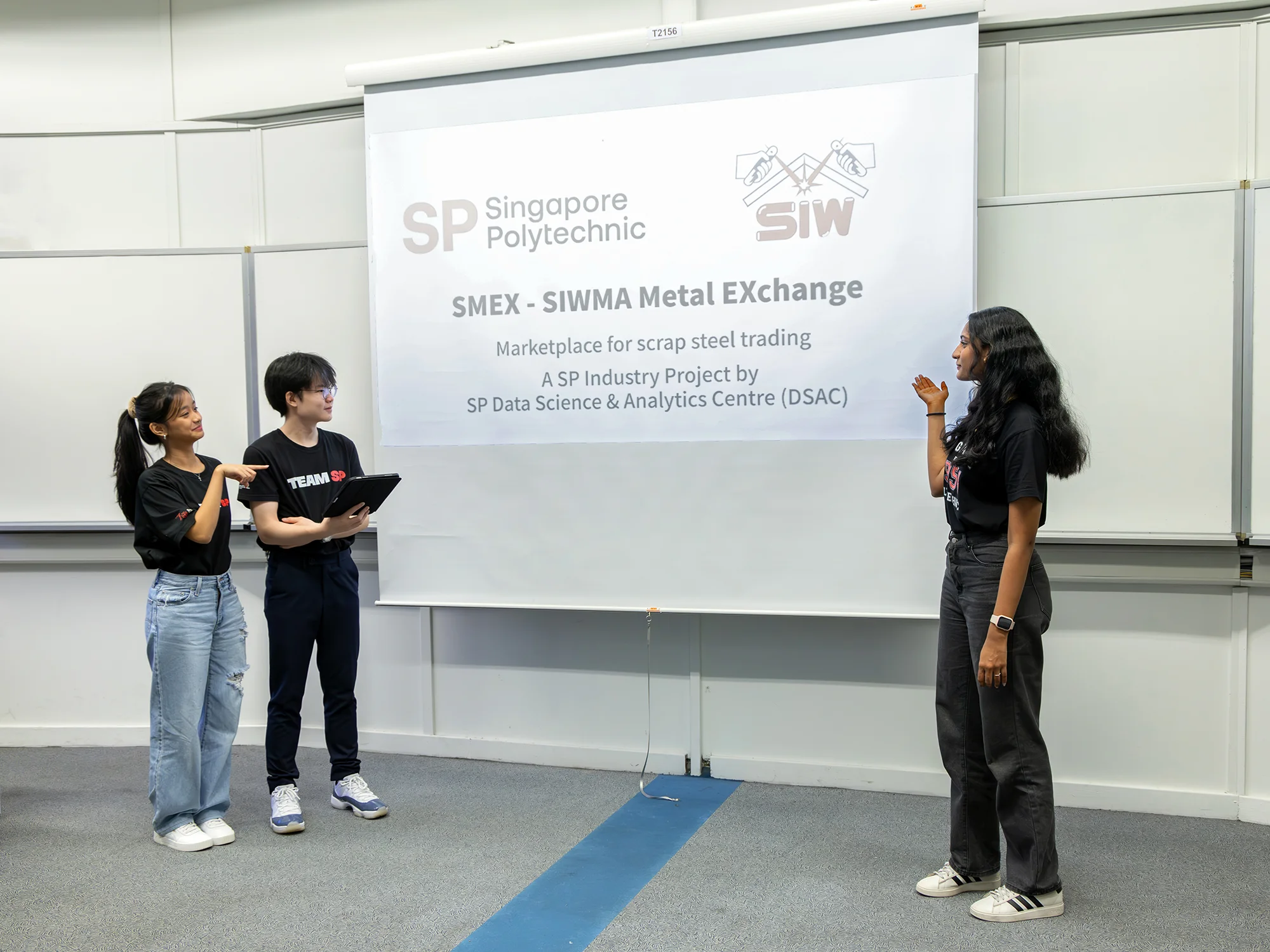
The SMEX (Singapore Iron Works Merchant Association Metal Exchange) is an online platform for trading scrap steel, enhancing resource efficiency and boosting operational output in the industry. Developed by SP’s DIT Project INC students, this initiative highlights Singapore Polytechnic’s commitment to sustainability through innovative technology solutions.
SMEX facilitates the exchange of materials, contributing to the circular economy. The project was showcased at BEX Asia 2023, a leading market intelligence platform that connects innovators, solution providers and key decision-makers across Asia, fostering successful business connections in the built environment sector.
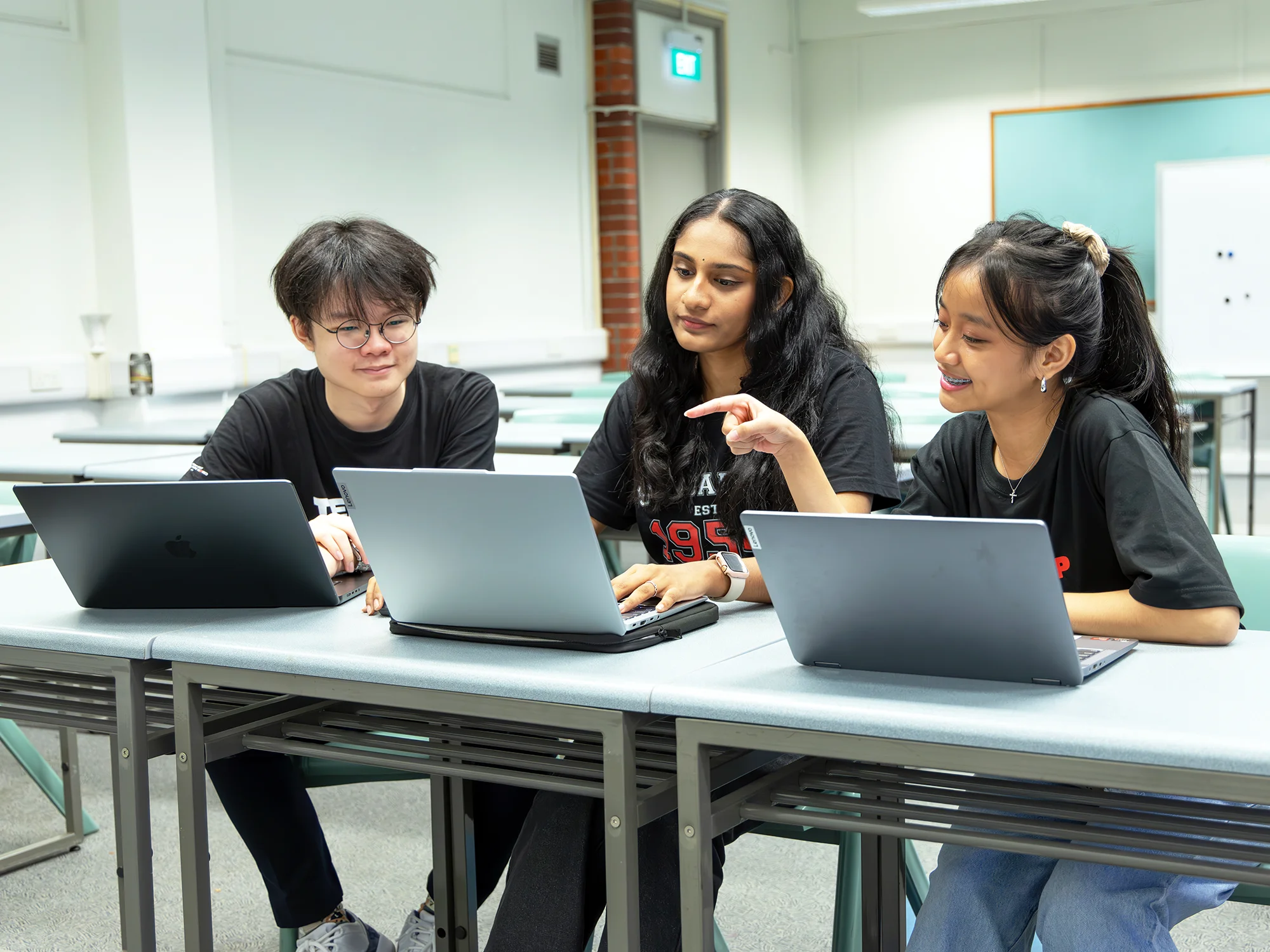
Students collaborating on an innovative SIWMA project, fostering teamwork and creativity.
Students presenting a metal trading platform, showcasing innovation and expertise.
INDUSTRY PARTNER: Singapore Iron Works Merchant Association (SIWMA)
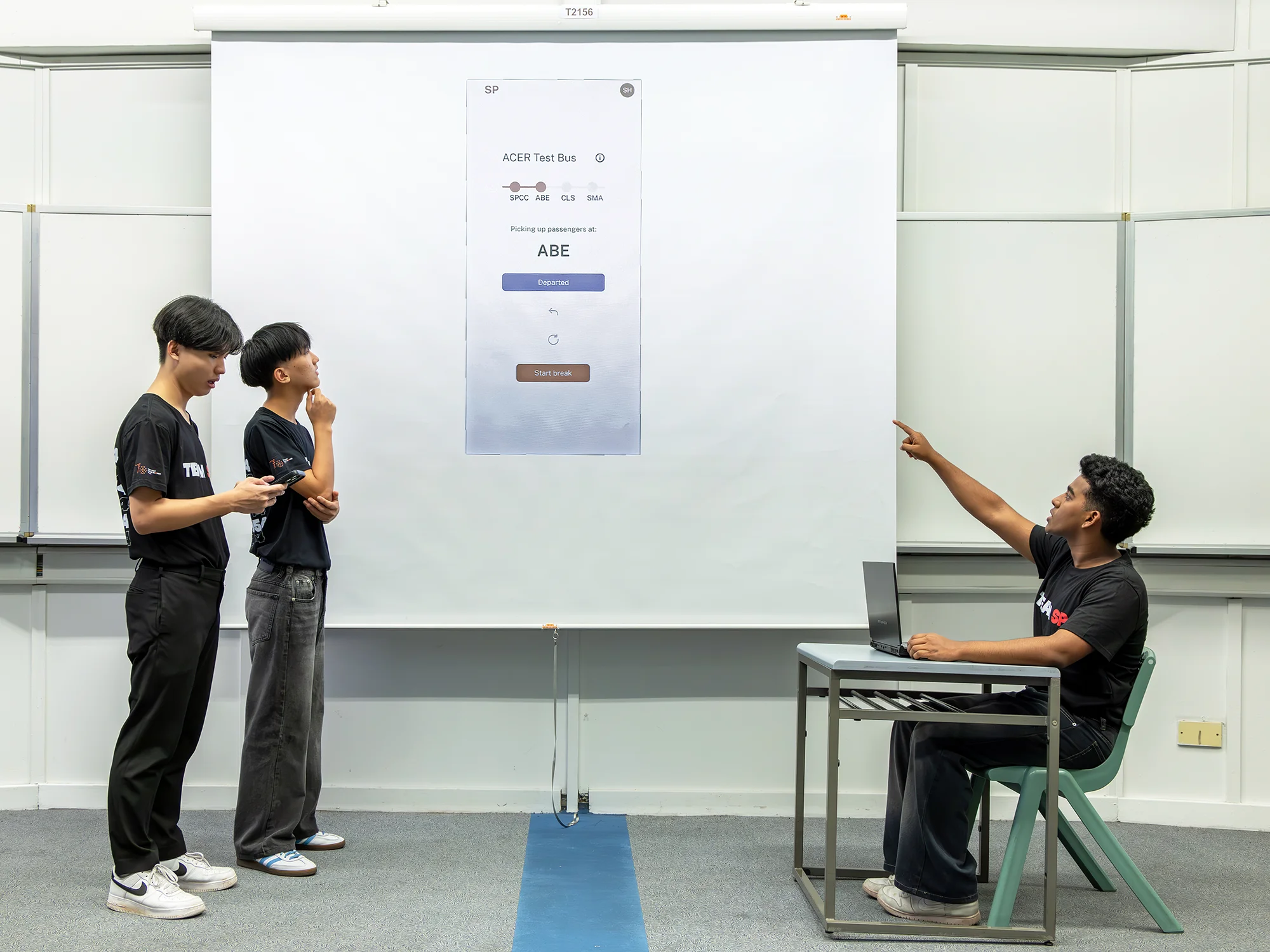
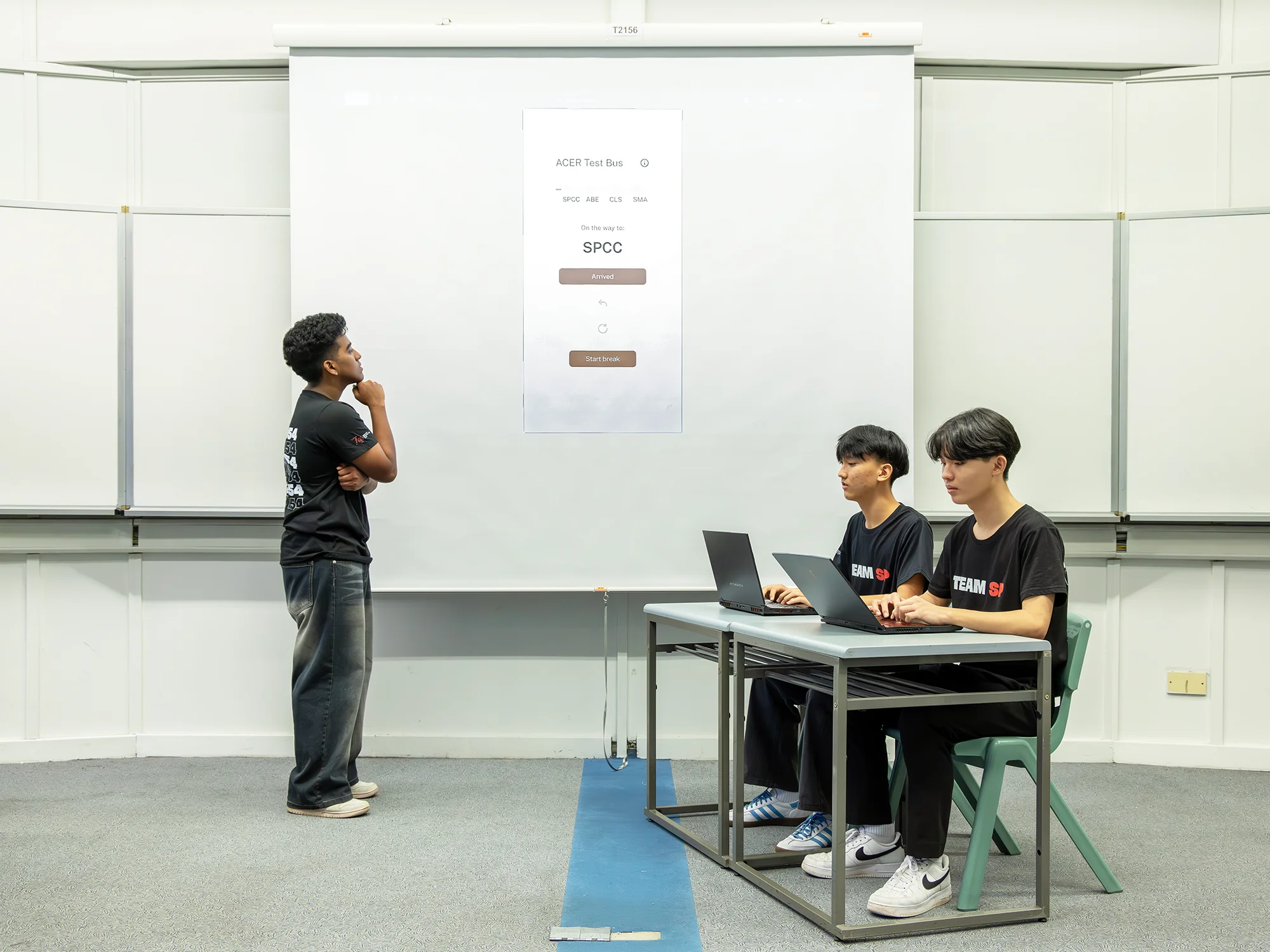
Singapore Polytechnic's 2024 Open House, titled First Steps, introduced a streamlined bus tour management system to enhance visitor experience. The staff team developed a custom application using a Svelte frontend and Golang backend, hosted on AWS. This application enabled real-time tracking of bus locations, student helper assignments and roster verification, improving operational efficiency. Through close collaboration with staff, the team gathered requirements and developed and deployed solutions. The team provided live support during the event, applying hotfixes and iterating based on feedback. The system ensured smooth, efficient bus tour management for prospective students and parents.
Students presenting SP digital bus tracking app, highlighting smart mobility solutions.
Users navigating efficiently with the SP digital bus tracking app for smart commuting.
TEAM MEMBERS: Karl Steven Velasco Orjalo | Koh Han Ming | Sarah Ang Xi Lei | Gabriel Tai Wei Wen | Edlin Marshita
COURSE: Diploma in Information Technology
SCHOOL: Computing
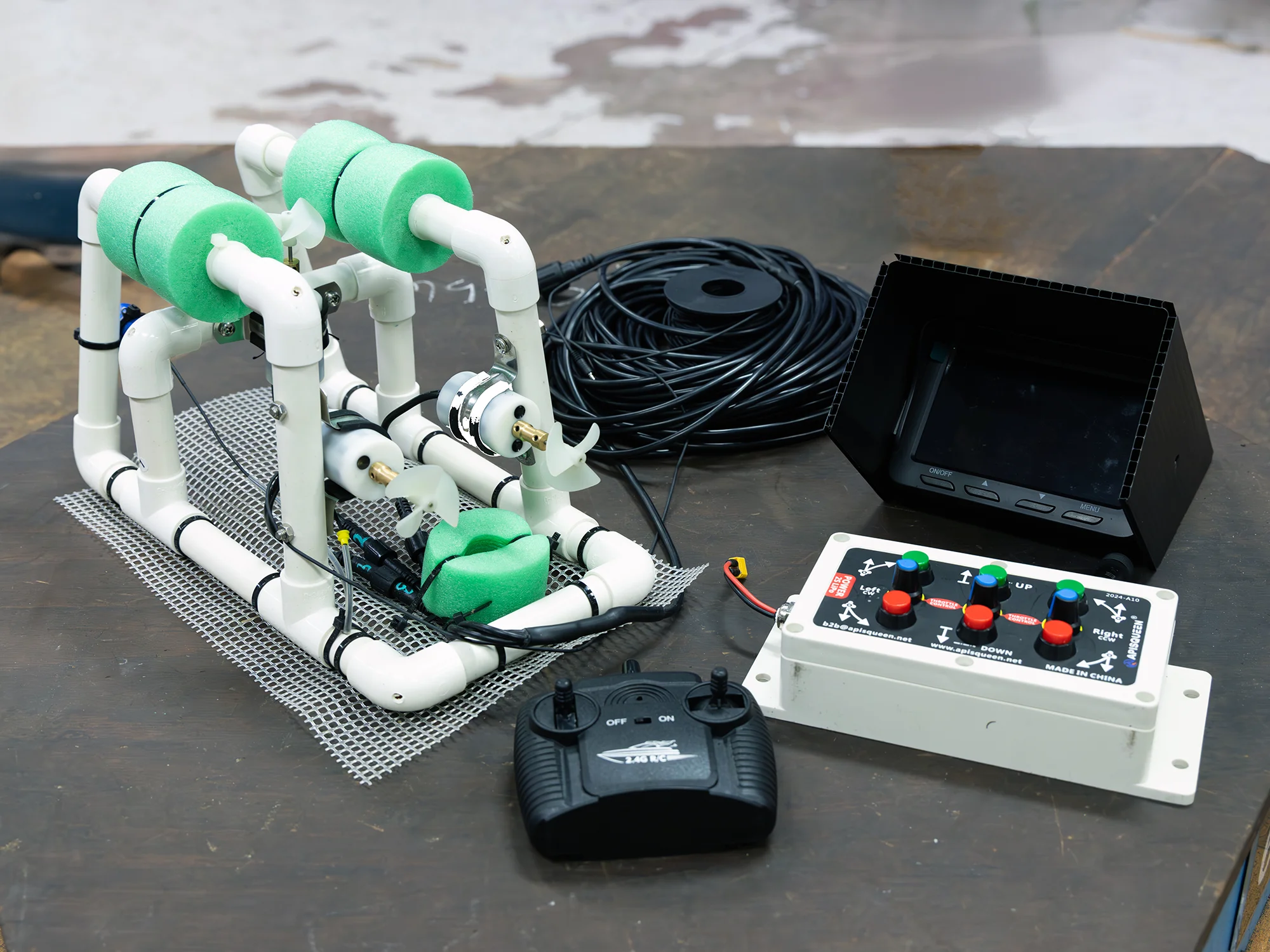
The concept of underwater robotics (ROVs) originated in the mid-20th century, driven by the need to operate in environments too deep, dark, or hazardous for human divers.
The development of ROVs advanced, alongside marine technology innovations and the growing demand for underwater operations, particularly in the oil and gas industry.
Integrating AI for object detection and thermal imaging further improves their ability to locate and assist victims under difficult conditions.
A functional underwater robot for exploration, surveillance, or marine research purposes.
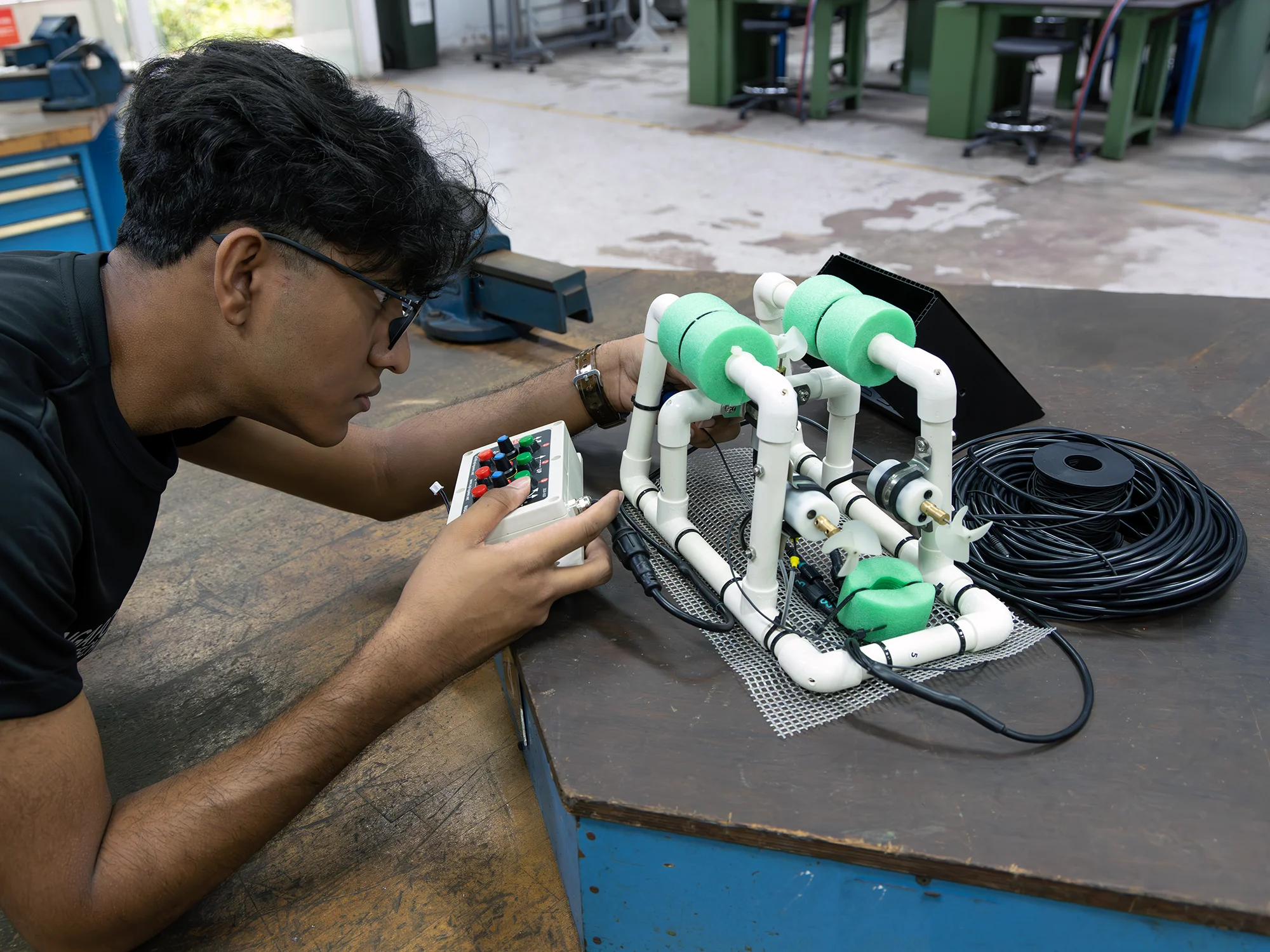
Student is calibrating the device, focusing on the control box, featuring colored buttons.
TEAM MEMBERS: Nur Hafiz Bin Azman | Muhamad Daniel Bin Nen Ari | Mohammad Aiman Tan Bin Mohd Fadhli | Eshbinder Singh | Nabil Soddiqin Azman
COURSE: Diploma in Marine Engineering
SCHOOL: Singapore Maritime Academy
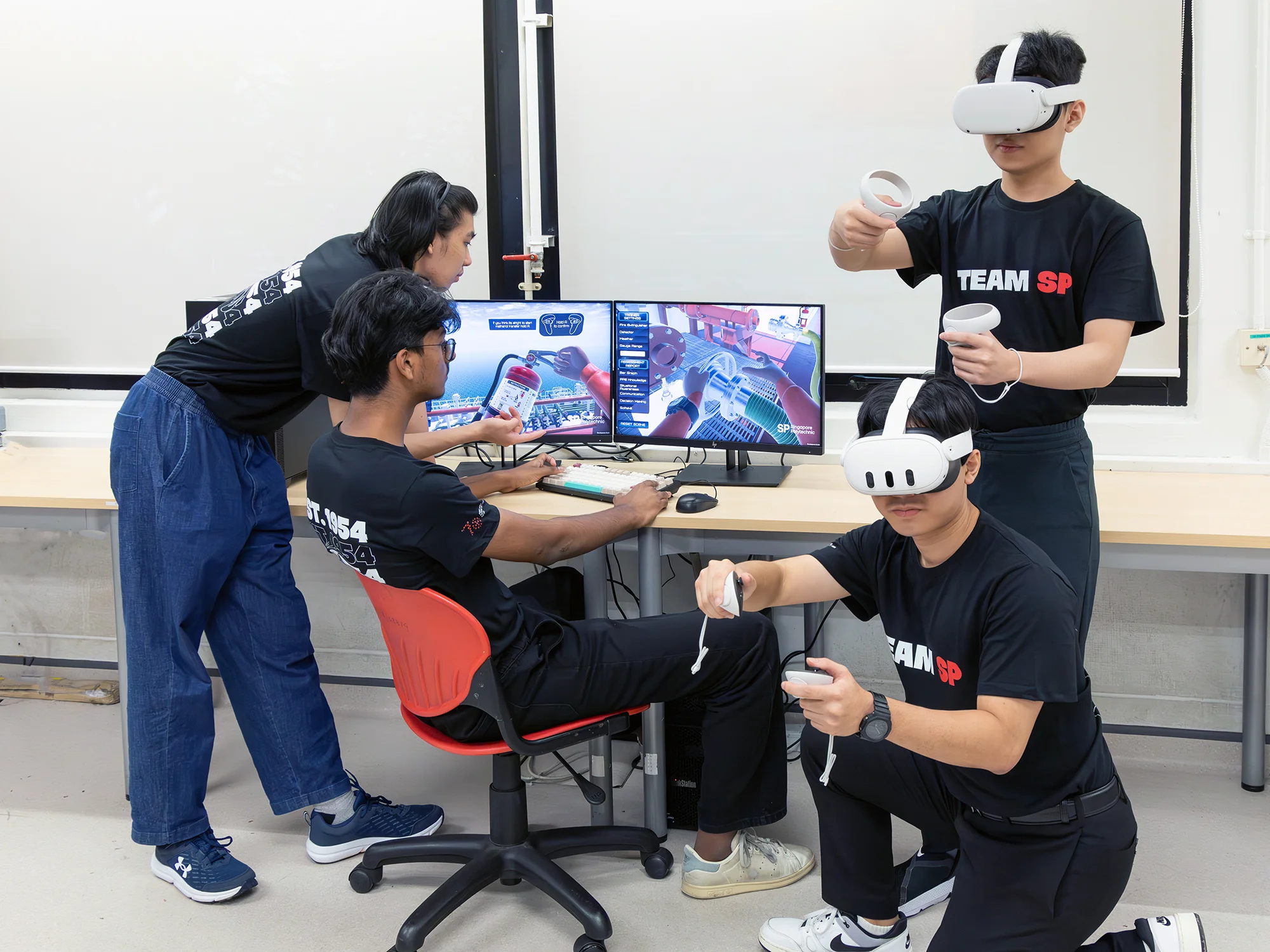
The Maritime industry is transitioning towards methanol as a green fuel. Methanol is toxic and flammable (with a low flash point) in nature.
Seafarers needs to learn the special precaution needed during the bunkering operation. However, there is a lack of methanol ships in service, and hands-on experience is not easily accessible.
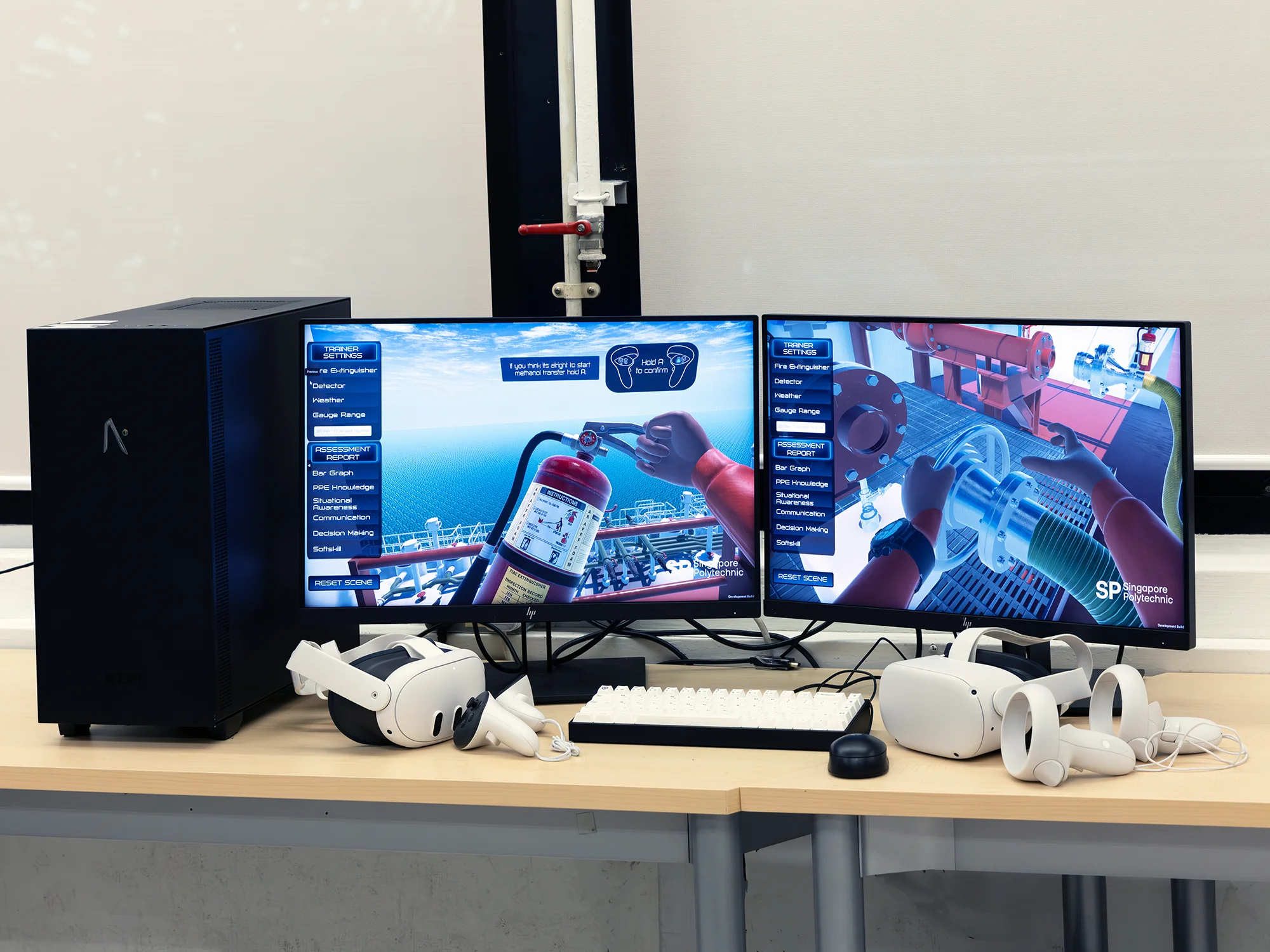
This project aims to create an immersive VR training application to allow seafarers’ familiarisation, training and assessment for safe methanol bunkering operations.
Features include :
Full immersive VR experience with headset;
Trial mode for familiarisation;
Test mode for assessment;
Distinct trainer/trainee environment;
Customisable assessment rubrics.
Students testing their work on the VR system.
The setup consists of a PC, VR headset and controllers.
TEAM MEMBERS: Kelvin Zhong Kien Chuan | Muneer Ahamed Rameez Adil | Xavier Lim Kiat Wei | Li Hexiang
COURSE: Diploma In Computer Engineering | Diploma in Electrical & Electronic Engineering
SCHOOL: Electrical & Electronic Engineering
INDUSTRY PARTNER: Centre of Excellence in Maritime Safety
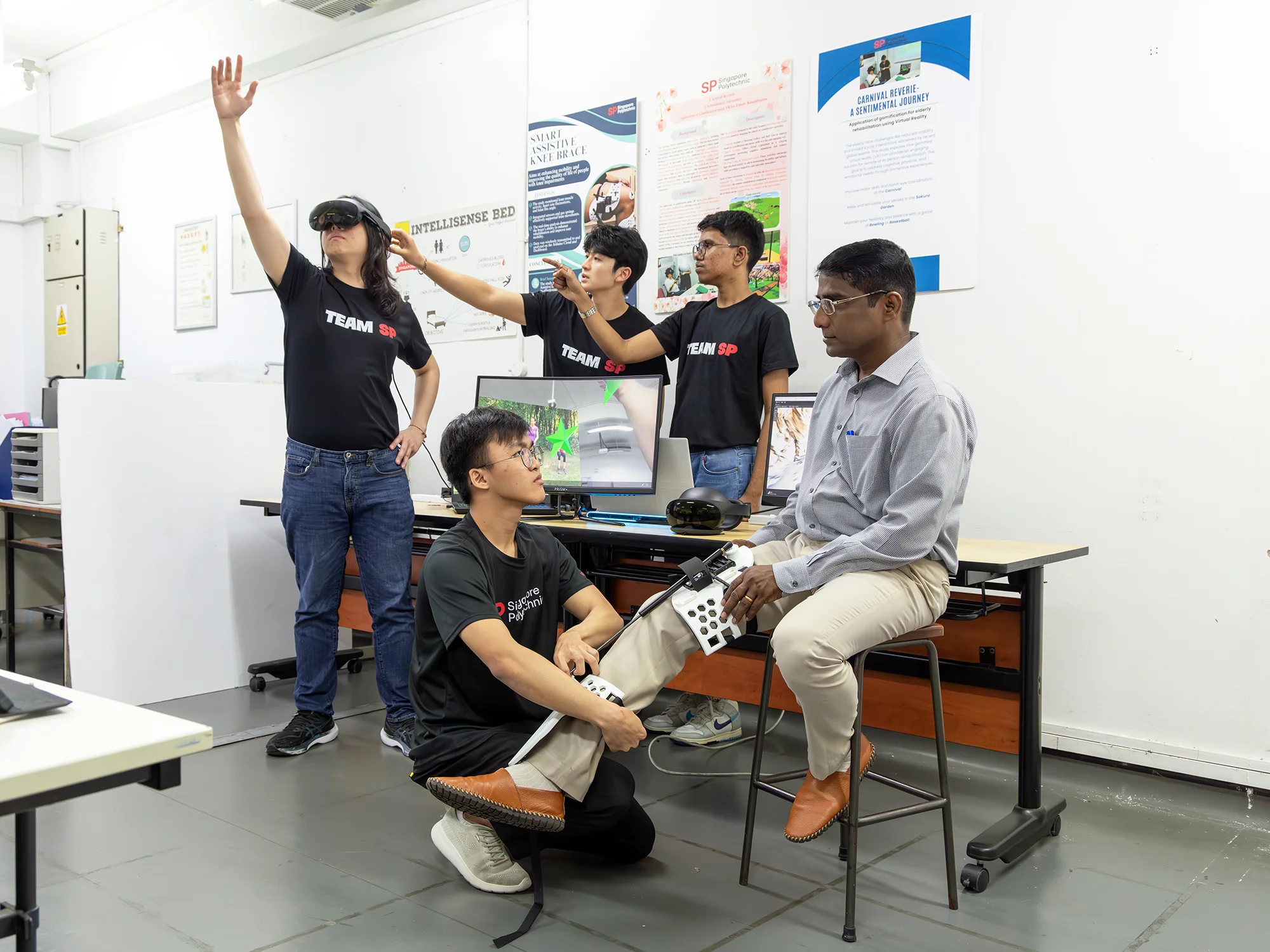
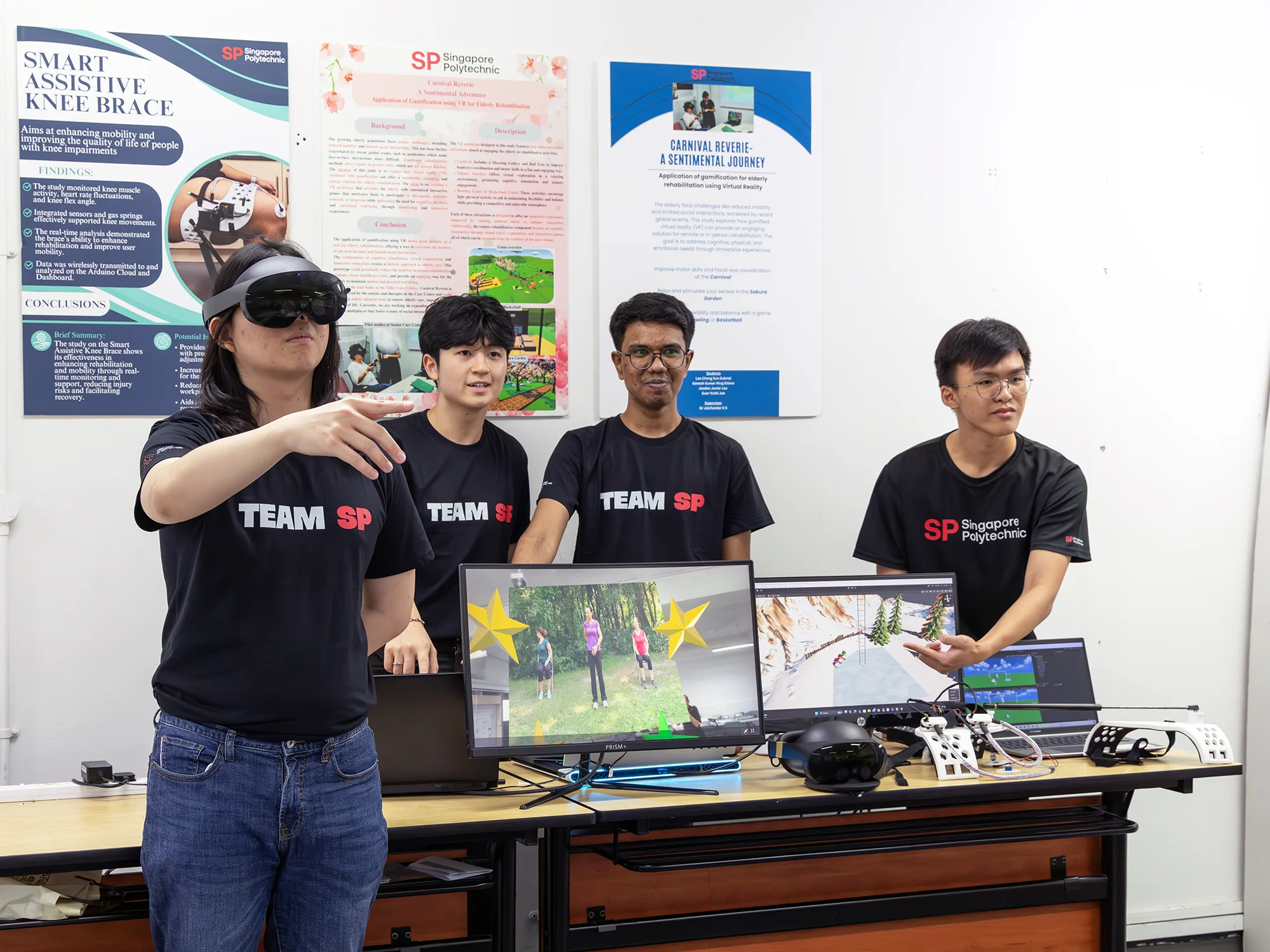
With Singapore's aging population on the rise, innovative solutions for elderly rehabilitation are more critical than ever. This project harnesses the power of Virtual Reality (VR) and gamification to transform traditional rehabilitation into an engaging, sustainable experience.
By blending VR technology with fun, interactive games, this system improves physical and cognitive abilities, motivates long-term participation, and even enables remote rehabilitation — addressing the unique needs of elderly individuals. Featuring an assistive knee brace that supports standing and sitting, paired with VR games, rehabilitation becomes not only more effective but also more enjoyable.
This innovation lightens the load on healthcare providers while ensuring the well-being of seniors.
Elderly rehabilitation virtualised and designed by students.
Students exhibiting the virtual environment and rehab activities.