Why is the Diploma in Accountancy the best course for me in 2025?

DAC - S75

Diploma in
Accountancy

OVERVIEW

Why is the Diploma in Accountancy the best course for me in 2026?

  • Learn by doing through cross-module projects, internships, and specialised tracks that prepare you for the evolving accountancy profession.
  • Gain the DAC EDGE with expertise in accountancy, digital fluency, ESG capability, and an entrepreneurial mindset.
  • Thrive in a changing world by mastering sustainability, predictive analytics with AI, and technology-driven skills.


Do you have a passion for precision and enjoy working with numbers? The Diploma in Accountancy is perfect for detail-oriented individuals who enjoy analysing data. Beyond technical knowledge, this course offers real-world industry experience through cross-module projects, where you will solve actual business cases using your accounting expertise. We also provide hands-on practical training across various modules, including Robotic Process Automation (RPA), ensuring you add value to any organisation. Our industry-aligned curriculum gives you a competitive edge to lead and thrive in the future economy.

In addition, you will graduate with a Minor upon the completion of a suite of related elective modules. SP offers 6 Minors for you to choose from:

  • 5G & Artificial Intelligence of Things (AIoT)
  • Asia Readiness
  • Business Management
  • Data & Artificial Intelligence
  • Entrepreneurship
  • Sustainability

More information on Minors here


SB-DAC Student Smiling While Looking at Their Laptop-v01

What are the benefits of studying accountancy in 2026?

Accountants are essential in every industry, offering you strong career prospects and the flexibility to work anywhere. This diploma sharpens your analytical thinking, attention to detail, and problem-solving skills, making you adept at financial decision-making. By working on real-world projects and collaborating with professionals, you'll be ready for future advancements in accounting and finance.

Read

What is accountancy in 2026?

Accountancy involves tracking and managing finances to maintain order and transparency. In 2026, trends like AI, automation, digital transformation and a growing focus on sustainable practices continue to reshape the field, making financial processes more precise, efficient, and data-driven. This evolution allows accountants to move beyond routine tasks and play a more strategic role in driving business decisions, innovation and sustainable growth. 

How does accountancy impact our daily lives?

Through accountancy, you gain a deep understanding of the financial systems that keep the world running smoothly.​ Without it, financial systems would be chaotic, affecting everything from local shops to global markets. Accountants use tools like ABSS, SingTax, Power BI, Minitab, Power Automate, and UI Path daily to manage and analyse financial data, ensuring financial order and stability for families, communities, and the broader economy.


WHAT YOU WILL LEARN

What will I study in accountancy?

Please note: Course structure is subject to change.

Electives

The SP elective framework offers students options to pursue their passion and/or meet different career needs, and is an integral part of the holistic education we seek to provide to our students.

Learn about SP Elective Framework

The Common Core Curriculum (CCC) prepares you for a changing world with essential human and digital skills. Through its 10 modules, the CCC also provides a wide learning experience to examine local and global issues based on the Sustainable Development Goals (SDGs). These modules help you understand real-world issues and the impact on different communities, and equip you with skills to create a better, sustainable Singapore and world.

Learn about Common Core Curriculum

Discover Your Competitive Edge

Build a strong foundation in business and accounting fundamentals through modules such as Business Accounting, Technology for Business, and Business Essentials Through Actions (BETA). With a learning-by-doing approach, you’ll explore entrepreneurship, digital tools, and business management. This will set you on the path to developing your Competitive EDGE — an Entrepreneurial mindset, Digital fluency, a Growth mindset, and ESG capability.

Module Name
Total Hours
Business Accounting
75
Business Statistics
45
Collaboration in the Digital Age
15
Data Fluency
15
Digital Communication for Impact
15
Economics
75
Education and Career Guidance 1: Personal Development
30
IT & Data Analysis for Business
60
Persuasive Communication with Data Storytelling
30
Problem Solving with Creative & Computational Thinking
15
Technology for Business
45
Thinking Critically about the UN SDGs
30
Business Essentials Through Actions 1
105
Business Essentials Through Actions 2
120
Artificial Intelligence and its Impact
15
Effective Writing for the Workplace
15
Personal Branding and Career Agility
30
ENTRY REQUIREMENTS

Who is accountancy for?

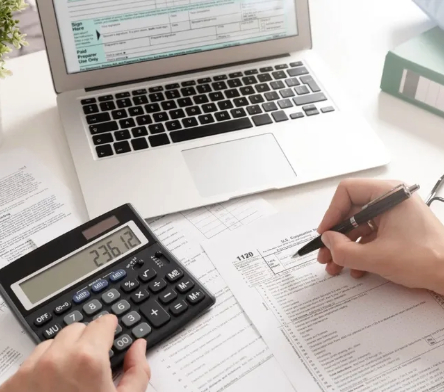
SB-DAC Person Calculating-v01

What are the eligibility requirements for accountancy?

You must meet the following criteria to qualify for the Diploma in Accountancy:

How do I know if accountancy is for me?

If you love analysing data and ensuring financial accuracy, accountancy is for you. This course suits meticulous, detail-oriented students with strong logical thinking, problem-solving skills, and proficiency with numbers. These traits are vital for managing financial records, planning budgets, and solving financial challenges, making you a valuable asset in the industry. 


What are the scholarships available for accountancy students and graduates?

SP offers many scholarships to recognise talent and service, from Year 0 to after graduation. These scholarships provide tuition fee waivers and chances to represent SP. They are awarded for academic excellence, contributions to arts or sports, and community service. Edusave awards and external sponsorships are also available.

Click here to find the full list of scholarships available

YOUR FUTURE

What is the future of accountancy?

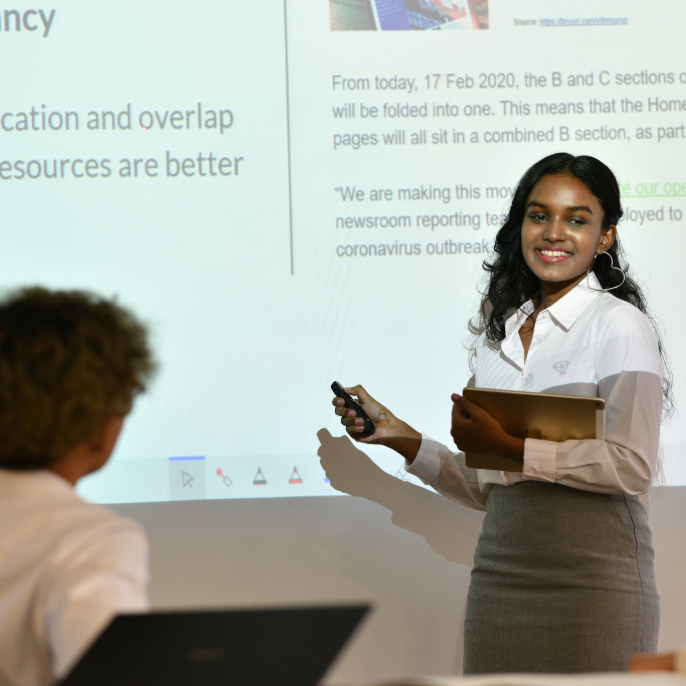
SB-DAC Student Presenting-v01

Accountancy at SP prepares me for the future.

What facilities does SP have to prepare me for the future in accountancy?

SP equips you with real-world experience through hands-on opportunities such as cross-module projects in Year 2 and the Innovation or Immersion Pathway in Year 3, preparing you for a future-ready career in accountancy.​

At SP’s Diploma in Accountancy, we go beyond technical training by developing multi-disciplinary skill sets that enable you to deliver high-value insights and services. Our industry-aligned curriculum, co-designed with partners, ensures you are always in step with the evolving demands of the profession.​

These practical, work-ready experiences empower you with the critical skills and confidence needed to thrive in a dynamic business environment.

Accountancy at SP prepares me for Singapore.

What opportunities are there for accountancy in Singapore and the region? 

Accountancy is crucial for economic stability, and in 2026, AI, automation, and sustainability will continue to reshape the field. SP's Diploma in Accountancy prepares you to excel in this evolving landscape. You'll gain strong technical knowledge, tech-savviness, and excellent team-player skills, attributes highly valued in the industry. 

Equipped with these competencies and a focus on sustainability, you'll have a competitive edge and be well-positioned for strategic roles in any organisation, making a meaningful impact in Singapore and beyond.

Accountancy at SP prepares me for the world.

What are the different types of fields covered in accountancy?

In accountancy, you can specialise in several fields. At SP, these include:

  • Technical Accounting Skills: Our interactive modules cover Auditing, Taxation, Financial Accounting, Forensic Accounting and Assurance. Through case studies, students apply their technical knowledge to real-world scenarios.
Read
  • Digital and Analytical Skills: Students gain proficiency in accounting softwares like Singtax and ABSS. Modules such as Technology for Business, Accounting Analytics, Predictive Analytics with AI and Robotic Process Automation (RPA) elective help students develop their digital and analytical capabilities, preparing them to become the future accountant of the digital world.
  • Industry Relevance: In the Client Project module, students collaborate with industry partners to solve real-world problems. They apply their three years of knowledge to automate mundane tasks using technological tools such as RPA and Visual Basics for Applications (VBA), contributing to the enhancement of digital capabilities in Small Medium Practices (SMPs).
INDUSTRY EXPOSURE

What industry exposure do I get in accountancy?

What can I expect from my accountancy internship?

As an accountancy student at SP, you can choose between a 22-week (Innovation Pathway) or a Year-Long internship programme (Immersion Pathway) with accounting firms, multinational corporations, and other leading organisations. These immersive internships are designed to sharpen your auditing, accounting, and taxation expertise while building the resilience and professionalism demanded by the industry. Many of our interns gain a competitive edge through outstanding performance, frequently securing coveted roles as Junior Auditors or Tax Associates upon completion.

What is a good SP internship?

Internships provide invaluable industry networking, career insights, and pathways to job opportunities. At SP, students receive dedicated coaching to build confidence and enhance employability. Experiencing multiple internships broadens your perspective, empowering you to make well-informed career decisions. Benefits include higher starting salaries, business exposure, and professional growth through meaningful work, learning opportunities, and mentor support.

Can you get overseas exposure while studying accountancy?

Overseas exposure is key to broadening your worldview. As Singapore is a global hub, learning to work with diverse cultures is essential. Accountancy students can participate in internships and learning journeys in places like Vietnam, Indonesia, and Malaysia.

These experiences help you understand global business practices and cultural differences. Additionally, students involved in co-curricular activities often represent Singapore abroad, enriching their education and personal growth.

How can I gain a competitive edge while studying accountancy?

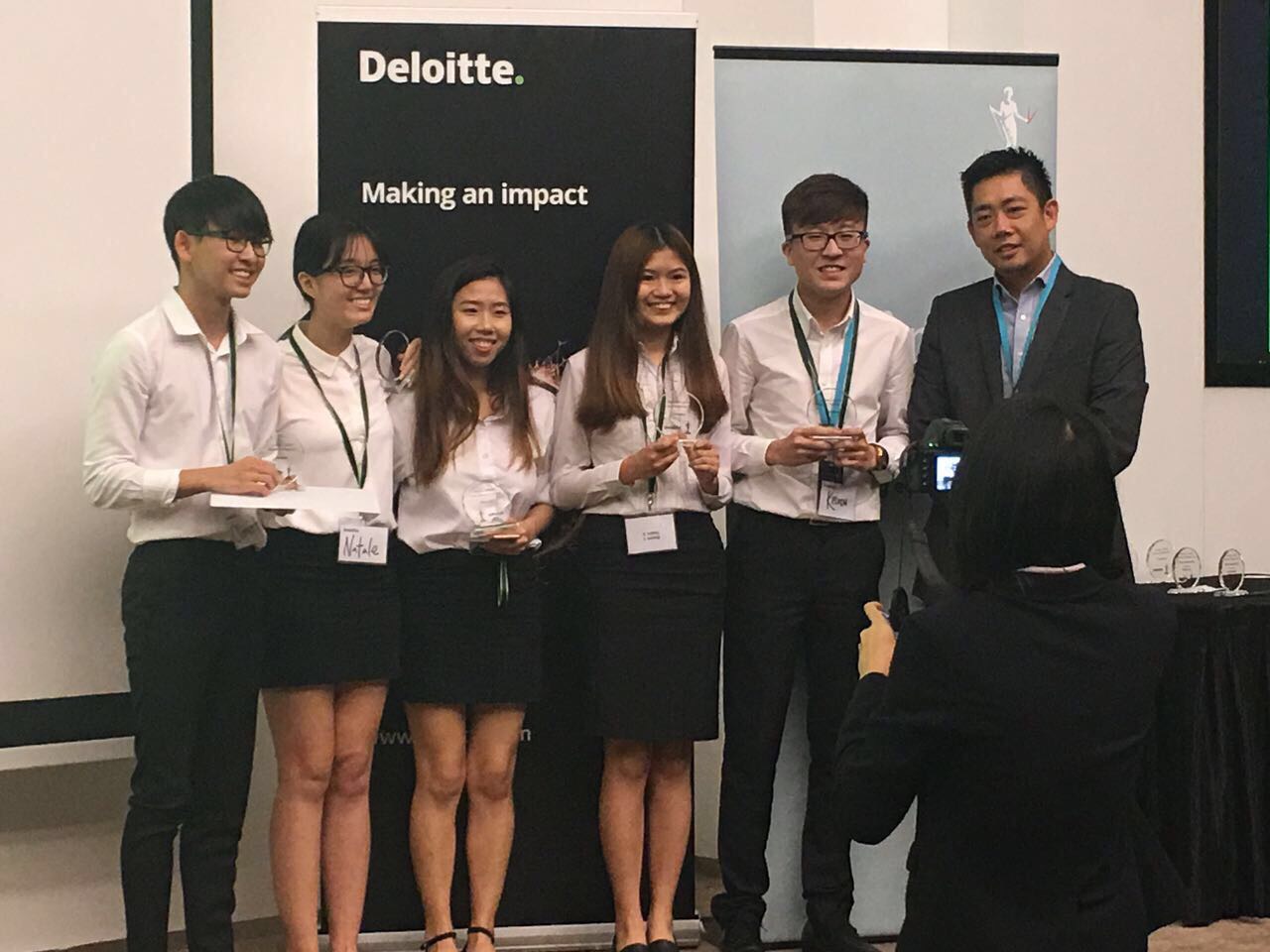
We encourage you to step out of your comfort zone and embrace challenges. Our accountancy students have excelled in competitions like the SMU Mind the GAAP, NTU Tax Challenge, and SMU Tax Challenge, earning top awards. These achievements build confidence, sharpen skills, and provide valuable recognition for your future career.
 

Picture

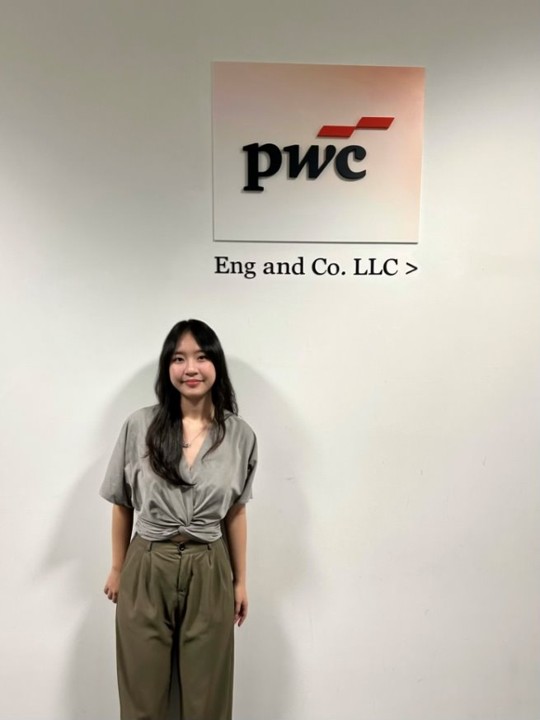
Hear From Adelle 

"My year-long internship with the ESG team at PwC gave me the chance to explore a new area of work. I was exposed to sustainability reporting and gained hands-on experience applying various ESG frameworks, such as International Sustainability Standards Board (ISSB). Through this, I developed a clearer understanding of how these frameworks relate to the financial impacts on businesses. The experience broadened my perspective on ESG and demonstrated how sustainability reporting is becoming an essential part of the accounting profession. Overall, it was a truly valuable experience in my journey as an accountancy student."

Adelle Yip, Year 3 DAC Student (Immersion Pathway)
pic2

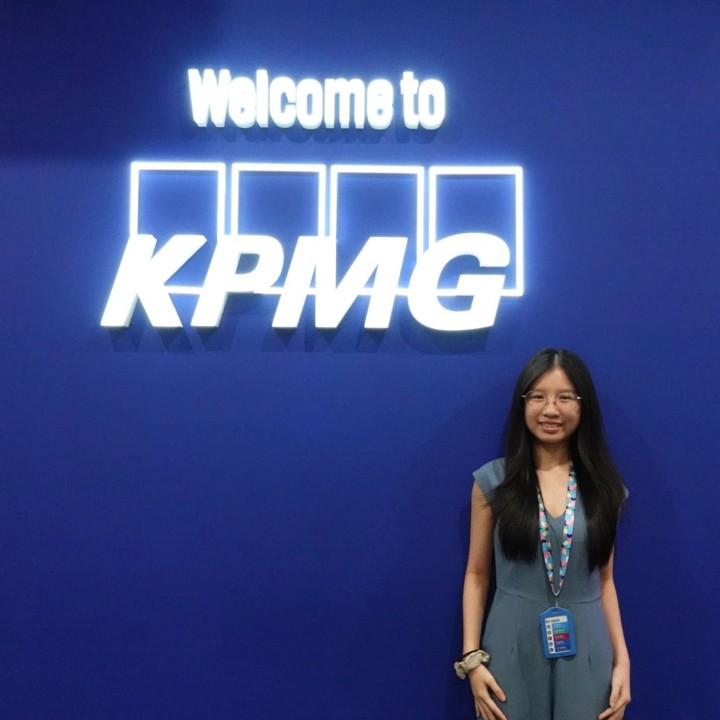
Hear From Wen Qi

"I had the privilege of interning as a Data Analyst at KPMG’s Singapore Audit Innovation Lab, a forward-thinking department focused on smart automation solutions. During this 22-week internship, I gained hands-on experience with Alteryx by building workflows and learning to critically analyse datasets. Tackling complex data challenges strengthened both my problem-solving and creative thinking skills, as I often had to find practical, out-of-the-box solutions. I’m grateful to my seniors for their guidance and to my fellow interns for their camaraderie. This experience deepened my appreciation for SP Accountancy, whose modules in accounting, software, and data analytics equipped me with the knowledge and confidence to navigate my role effectively. I am truly thankful to SP Accountancy for preparing me for this exciting journey."

Chua Wen Qi, Year 3 DAC Student (Innovation Pathway)
students

What are my options after attaining my Diploma in Accountancy? 

At SP, you will discover essential business fundamentals in Year 1, laying a strong foundation before progressing to Year 2, where you will solve complex, real-world challenges by applying your knowledge of auditing, taxation, and analytics through integrated projects and case studies. By Year 3, you are ready to launch into the future, leveraging tools like predictive analytics and AI in an industry project that sharpens your ability to deliver data-driven solutions in a digital-first world, giving you a distinct competitive edge. These solid foundations prepare you to confidently enter the job market or pursue further studies with advanced standing. Whether you choose to higher education or start your professional career, both paths offer excellent opportunities to grow and excel in your accountancy journey.


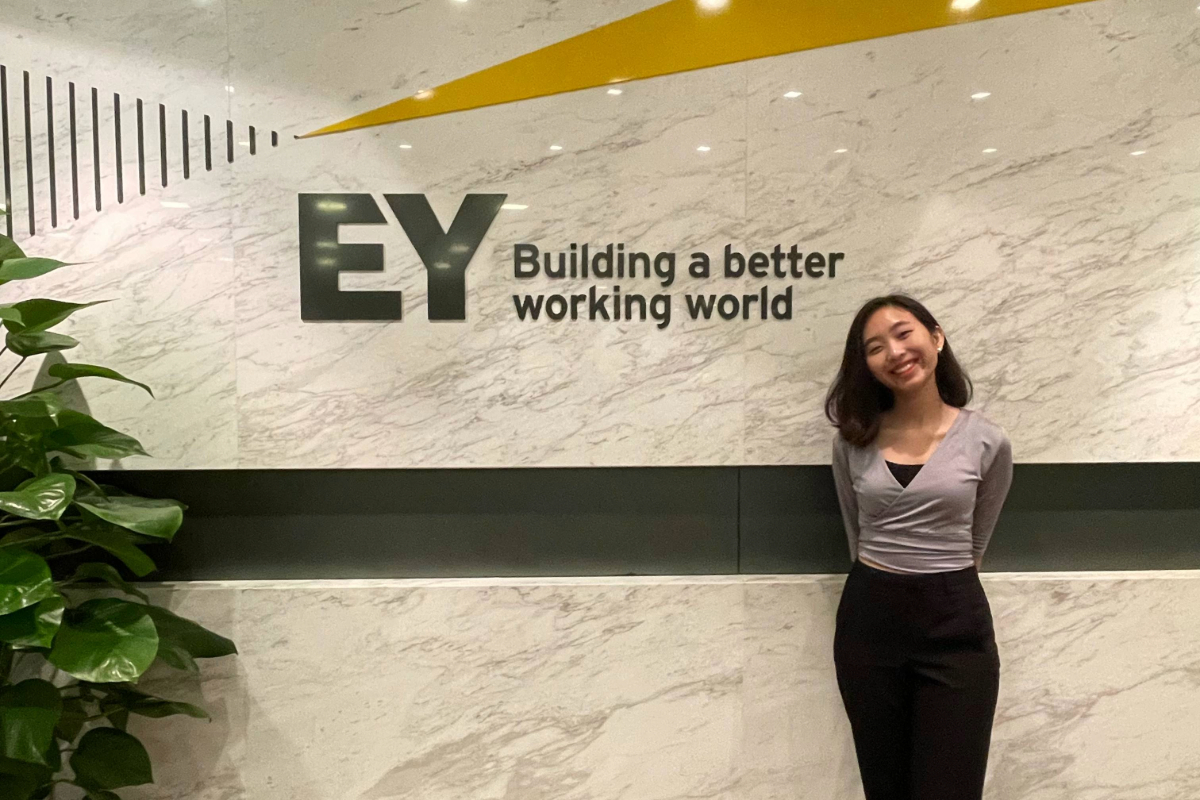
SB-DAC Student Picture with EY Logo-v01

What career options are there in accountancy?

Accounting offers a range of career options, including roles that have evolved from traditional accounting to business partnerships. You might begin as an Audit Associate, progress to an Internal Auditor, and advance to a Finance Manager. Salary growth is common after 3-5 years.

Career Options:

  • Assurance
  • Business Consulting & Advisory
  • Corporate Finance
  • Data Analytics
  • Financial Accounting & Reporting
  • Financial Forensics & Fraud Investigation
  • Internal Audit & Risk Management
  • Management Accounting & Strategic Planning
  • Mergers & Acquisitions (M&A) Advisory
  • Robotics Process Automation (RPA)
  • Sustainability Accounting & Environmental, Social, Governance (ESG) Reporting
  • Taxation & Regulatory Advisory

For more insights on career opportunities in accountancy, refer to the Accountancy Workforce Review Committee (AWRC).


Life after my Diploma in Accountancy

Which degrees are most common among accountancy graduates of SP? 

Many SP graduates further their education in fields related to their diplomas or in complementary areas. Here are some common degrees pursued by our alumni:

1. Bachelor of Business Administration (BBA)

2. Bachelor of Science (BSc)

3. Bachelor of Commerce (BComm)

Additionally, you can receive exemptions from ACCA and CIMA. Alternatively, you might consider SP's part-time Specialist Diploma in Professional Accounting and Technology.

 How may I fast-track my education? 

If you’re preparing for university and want to make the most of your diploma time, an SP diploma can let you fast-track your education by 0.5-2 years!

  • Module Exemptions & Advanced Standing — You can skip specific university modules at local and international universities.


What other professional certifications are available for accountancy? 

Boost your accountancy career with internationally recognised certifications. These certifications cover financial reporting, auditing, taxation, and essential finance and tech skills.

  1. Association of Chartered Certified Accountants (ACCA): 6 papers exempted, 7 to complete.
  2. Institute of Chartered Accountants in England and Wales (ICAEW): 7 modules exempted, 8 to complete.
  3. Singapore Chartered Accountant Qualification (SCAQ): 2 modules exempted, 9 to complete.
  4. The Chartered Institute of Management Accountants (CIMA): 8 papers exempted, 7 to complete.

Your SP education gives you a strong foundation for these certifications. Many graduates pursue them part-time while working, with sponsorship from global firms.
 

Hear from our Alumni

Eileen
Graduated in 2015,
Audit Manager, IRAS

School of Business - Alumni of Accountancy