This theme showcases projects focused on environmental stewardship, resource efficiency, and sustainable practices. Students present forward-thinking solutions that address ecological challenges, reflecting SP's commitment to sustainable development.
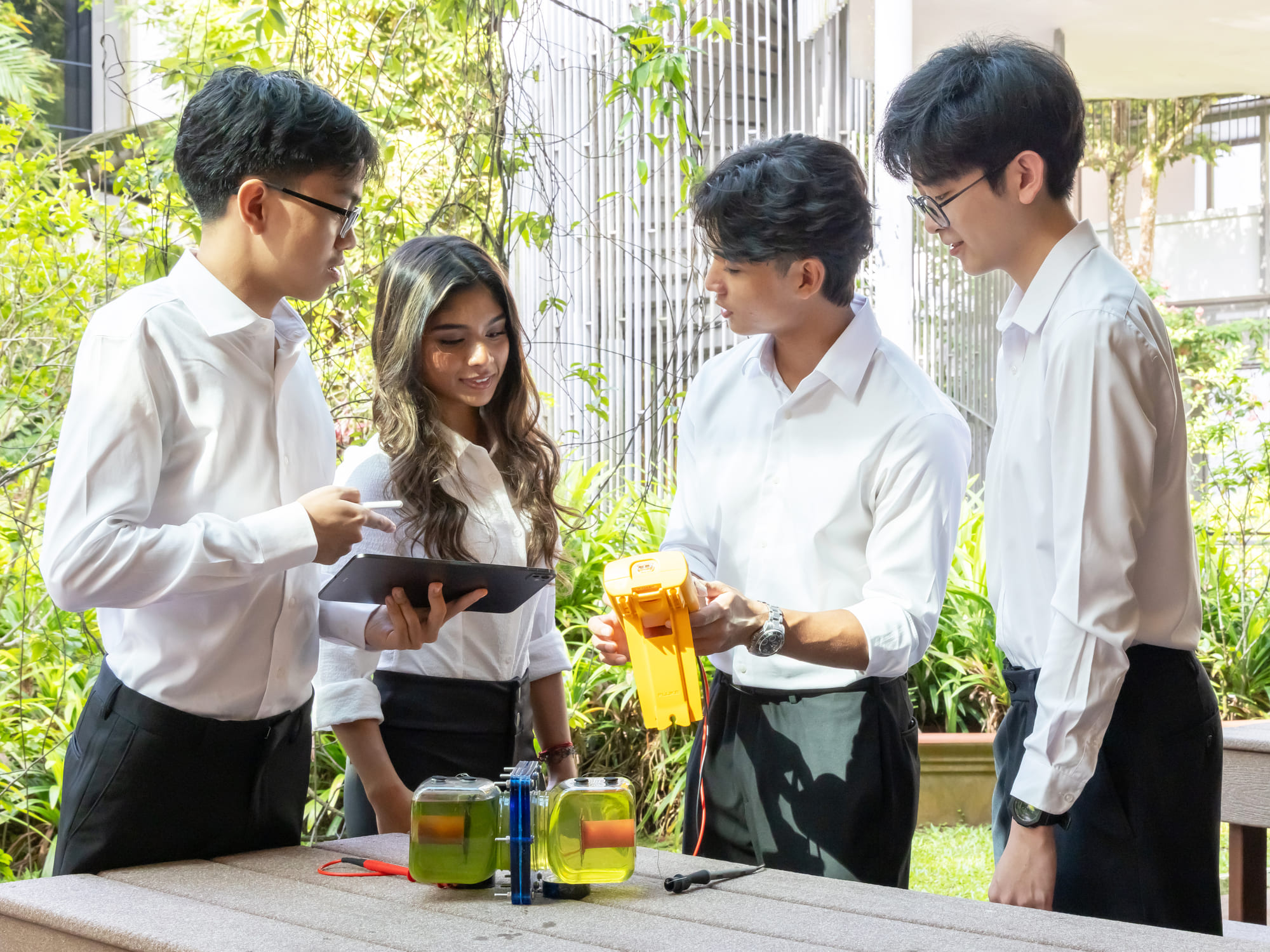
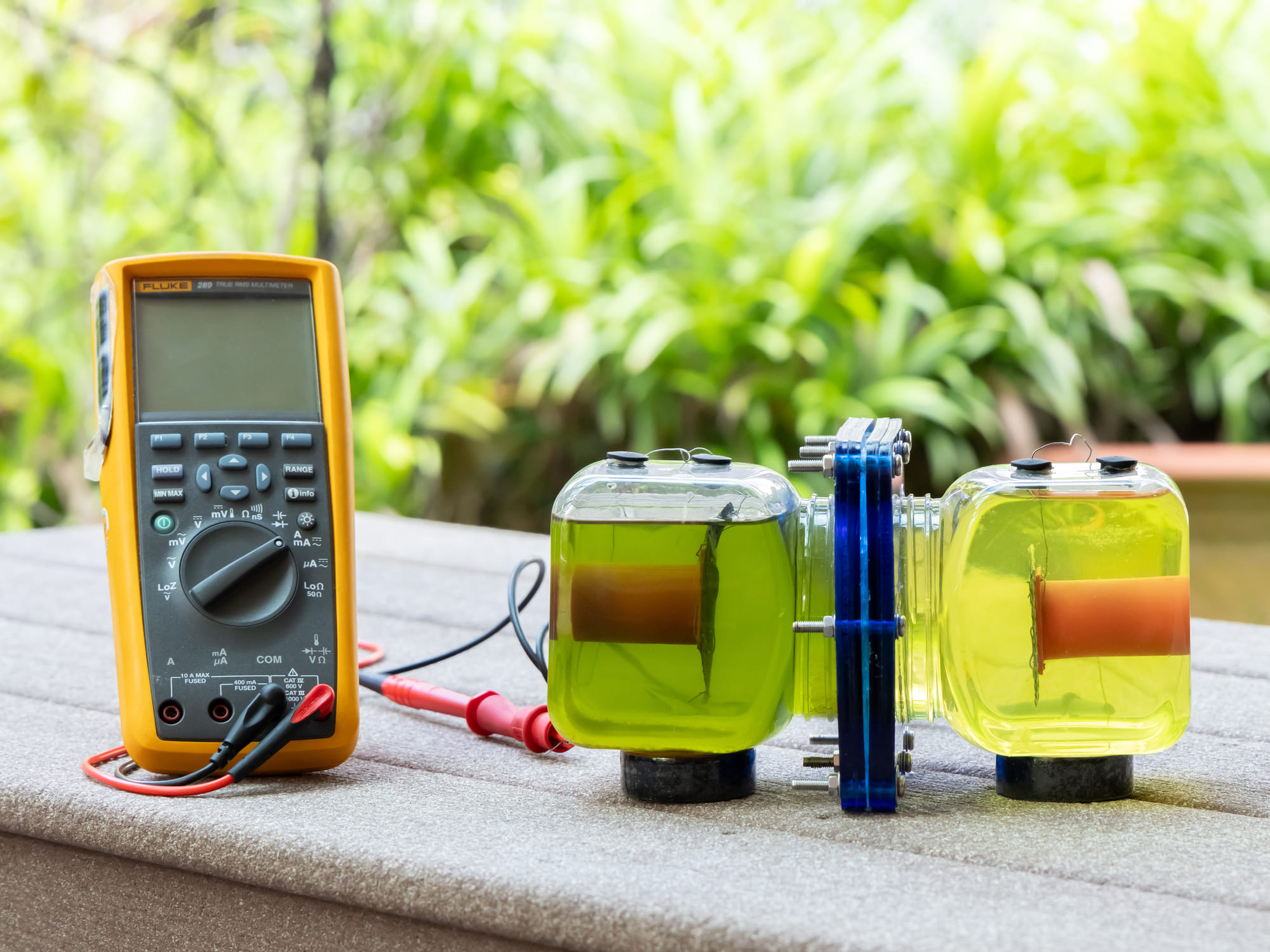
With the growing global population, cleaner energy is crucial. Interest in microbial fuel cells (MFCs) has grown, especially as wastewater holds more energy than needed for its treatment. A major challenge is scaling up MFCs. Using algae in the cathode (AFC) solves this by producing oxygen via photosynthesis, eliminating the need for costly air sparging. This approach tackles energy production and wastewater treatment simultaneously. The harvested algae biomass can also be used as biofuel. This project aims to design, build and use an AFC to study factors affecting its efficiency.
Discussion on the current density of the algae-assisted MFC.
TEAM MEMBERS: Hasnain Gul | Kynan Koh Jun Wei | Lee Jun Hui Nicholas | Mohamed Ilhan Shah Bin Nazerudyn Shah | Naufal Iman Bin Norraimi | Sheena d/o Thirukumaran | Sherman Leong Si Jun | Wong Zhi Ling
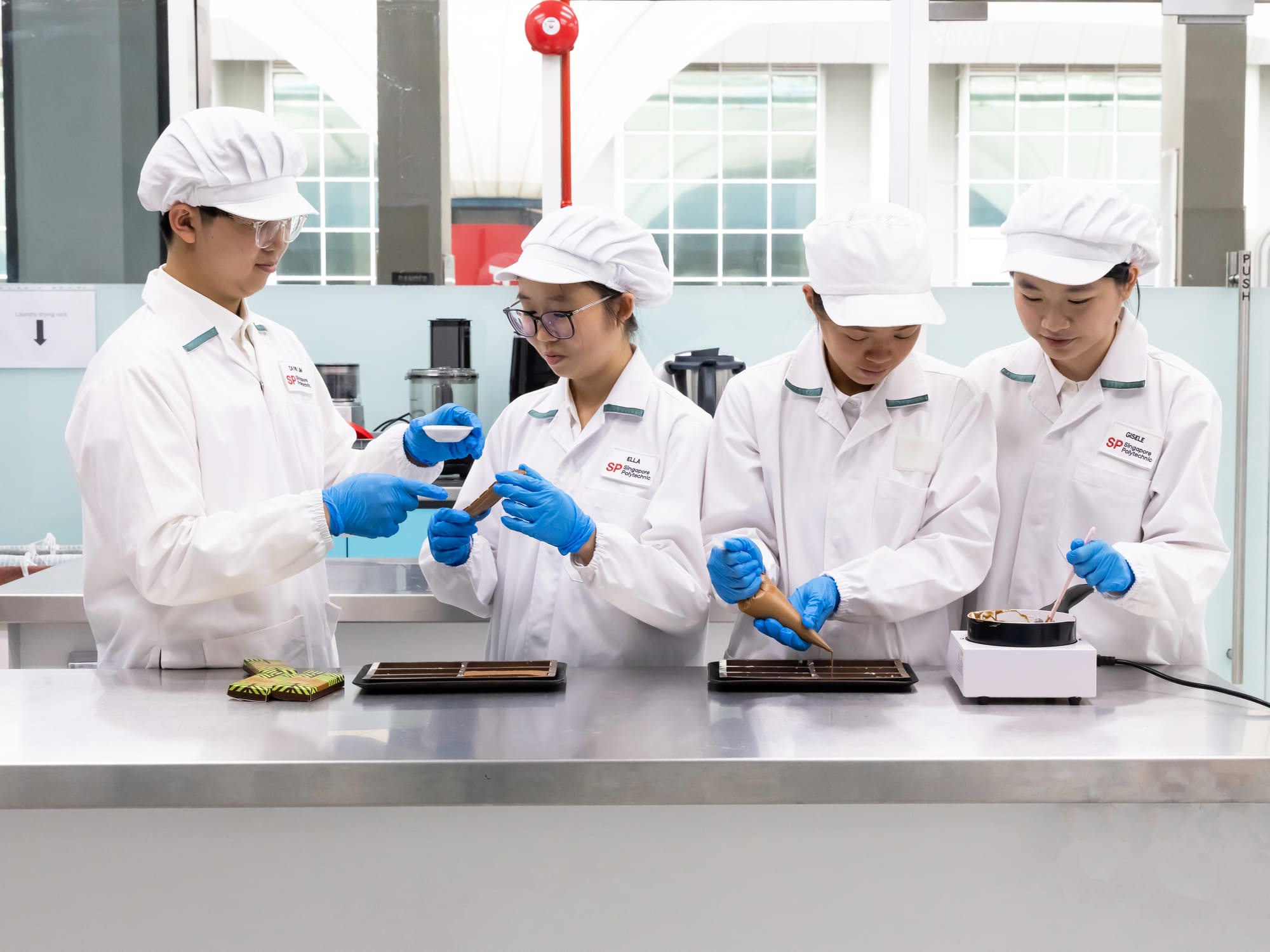
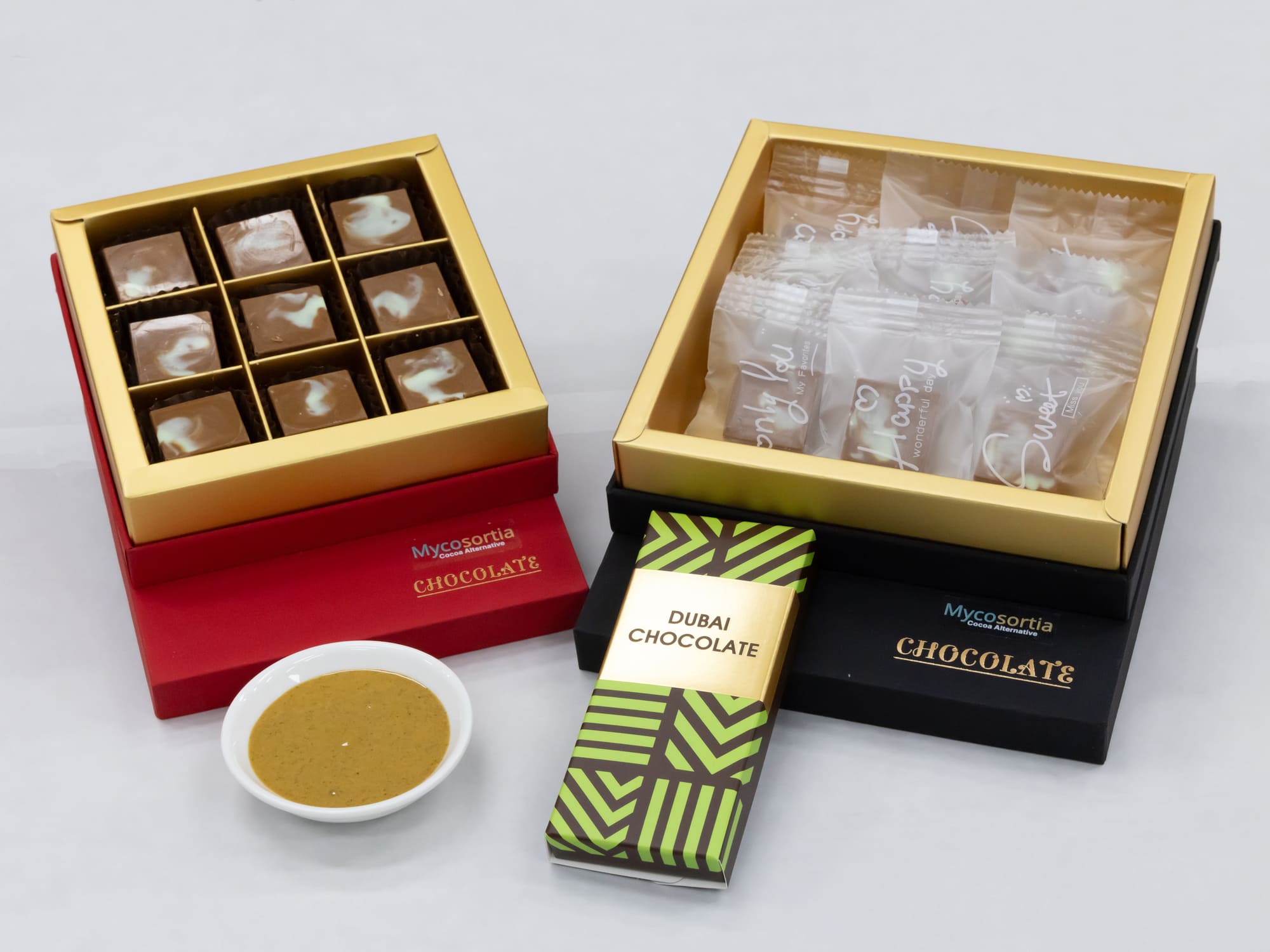
With global cocoa production increasingly threatened by climate change and price volatility, this project explores FibProt, a functional ingredient derived from okara (a byproduct of soymilk and tofu), as a potential cocoa powder substitute. The study examines how fermentation and roasting conditions affect FibProt’s properties, as well as its interactions with cocoa powder in chocolate formulations. The project will conclude with the development of two cocoa-free chocolate products, showcasing FibProt’s potential as a sustainable and effective alternative.
Students crafting sustainable chocolates using FibProt, a novel cocoa alternative.
Innovating sustainably with FibProt: Dubai-inspired premium chocolate creations.
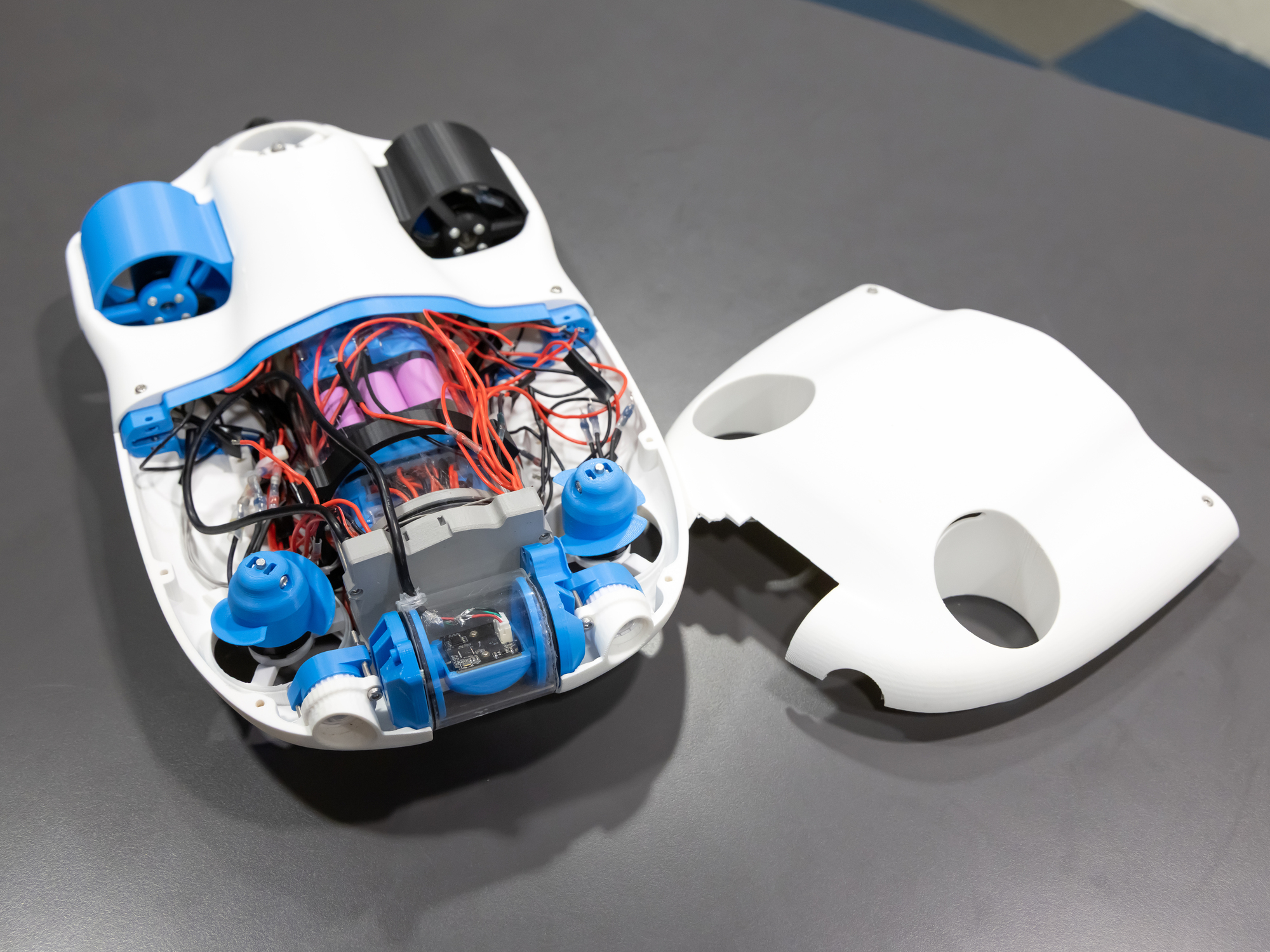
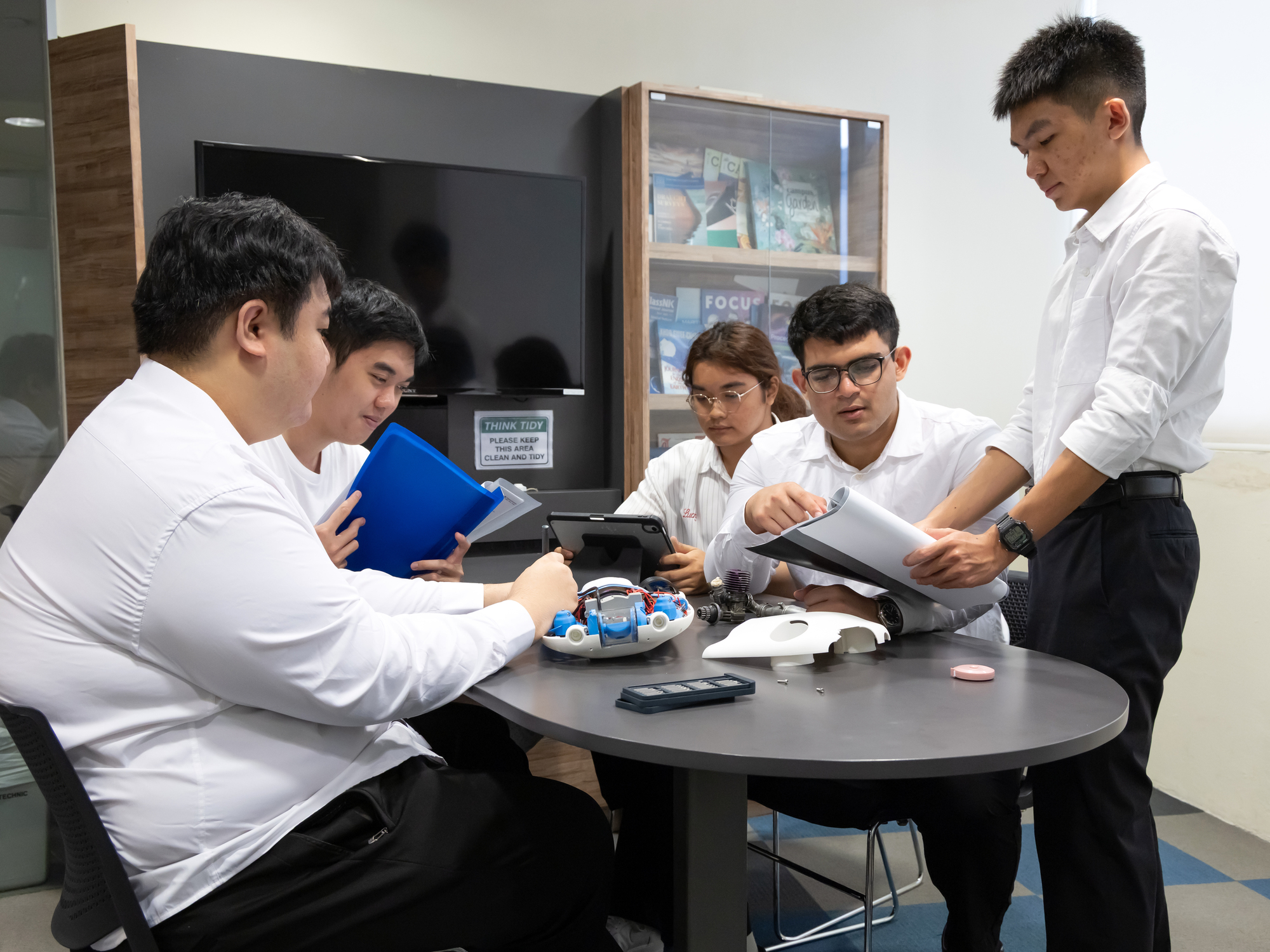
This project develops a scaled RC submarine prototype to demonstrate the potential of ROV technology for underwater hull inspections. Equipped with features inspired by industry-grade ROVs—such as high-resolution imaging, LED lighting, and sensor modules—the prototype enables detailed visual assessments and data collection even in low-visibility or high-current conditions. By conducting inspections while vessels remain afloat, the system reduces reliance on divers and minimizes costly dry-docking, highlighting its efficiency, accuracy, and safety benefits for maritime maintenance.
Student-built RC submarine for hands-on underwater hull inspection in marine engineering.
Marine engineering students collaborating on their RC submarine hull inspection project.
This project presents a dual-axis sun-tracking solar panel system with an origami-inspired (Miura Ori) folding platform, designed to enhance renewable energy use in maritime applications. The system optimizes solar capture by continuously adjusting panel orientation while its foldable design ensures compact storage at night, during bad weather or when deck space is limited. Energy harvested is stored in a battery and demonstrated through small-scale applications such as a rotating propeller on a vessel model. The prototype highlights the potential for scalable, space-efficient solar solutions to support auxiliary onboard power and hybrid propulsion in the maritime industry.
Student-built Origami Solar Tracker 2.0 showcasing smart sun-tracking for energy projects.
Marine engineering students collaborating on enhancing their smart sun-tracking project.
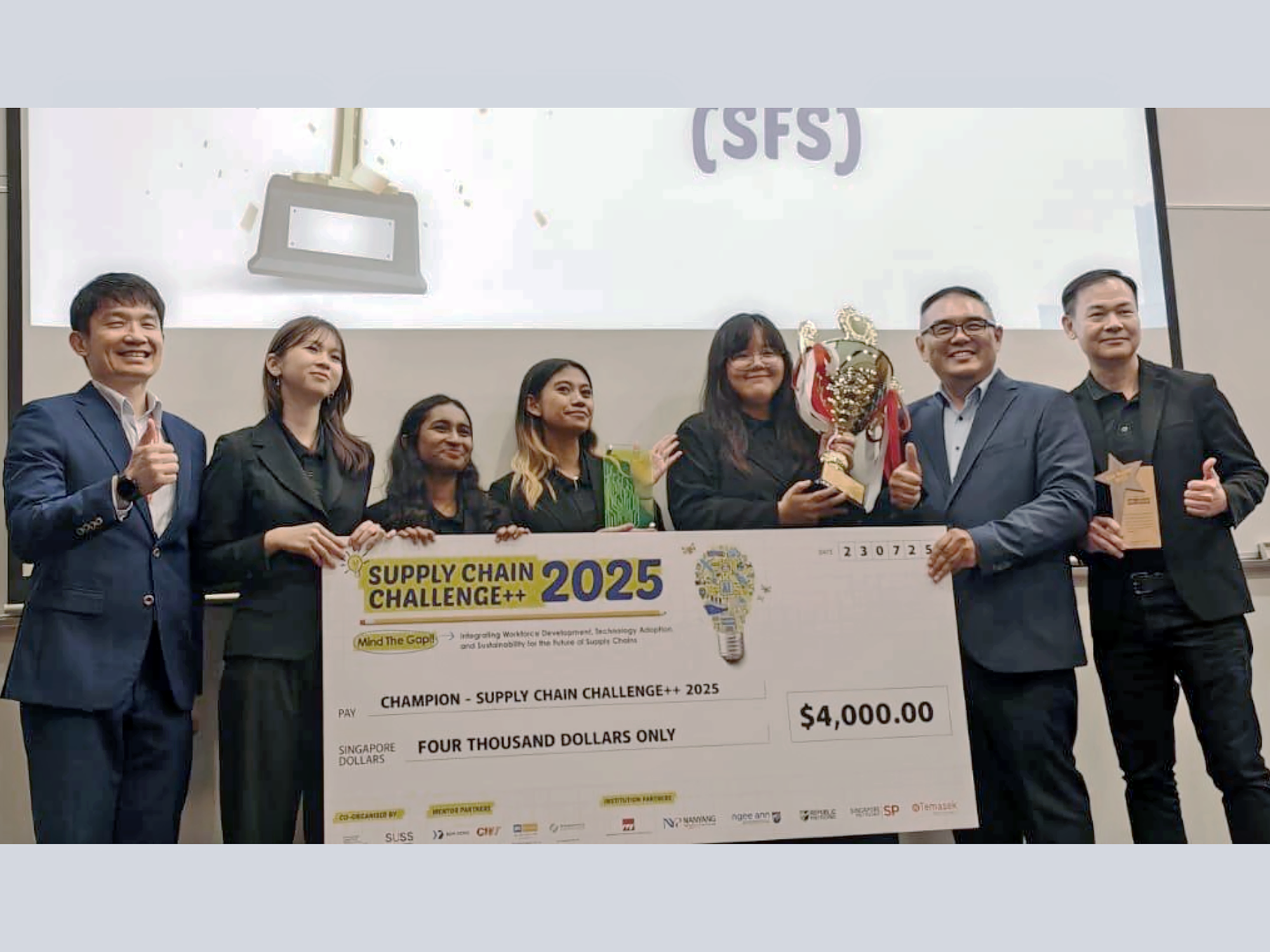
Students from SP Diploma in Business Administration emerged as winners of the Supply Chain Challenge++, organised by SLA and SUSS. Guided by industry mentors, they tackled real logistics issues and delivered an impactful, industry-ready solution. Their proposal enhanced workforce development through digital training and process innovation, advanced technology adoption with data analytics and automation to improve efficiency, and promoted sustainability through energy-efficient transport, reusable packaging, and carbon-tracking tools—aligning with Singapore’s Green Plan 2030. The team’s achievement showcases how future-ready talent can drive innovation and transformation in the logistics industry.
Team SAID - Champion of Supply Chain Challenge ++ 2025.
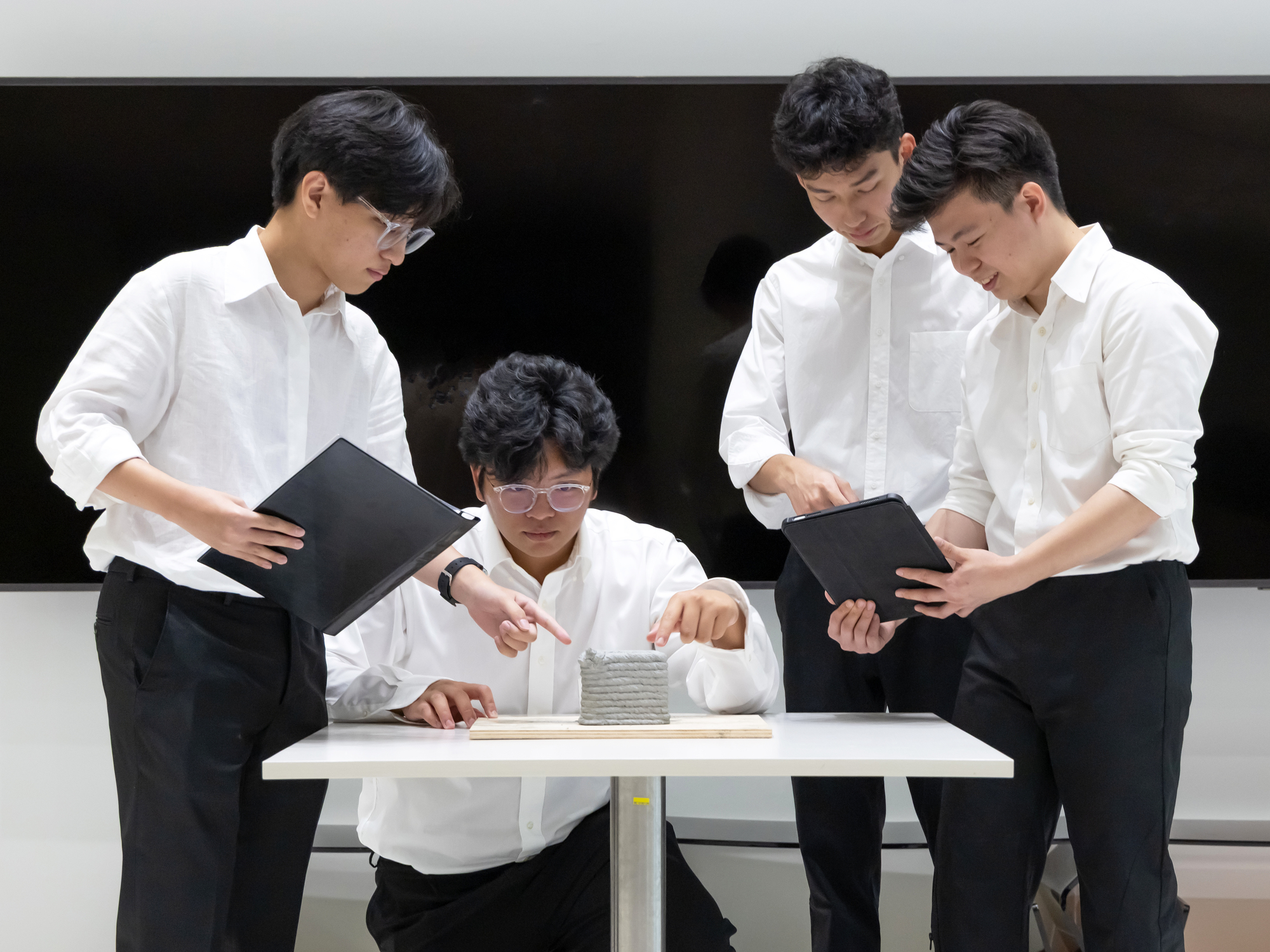
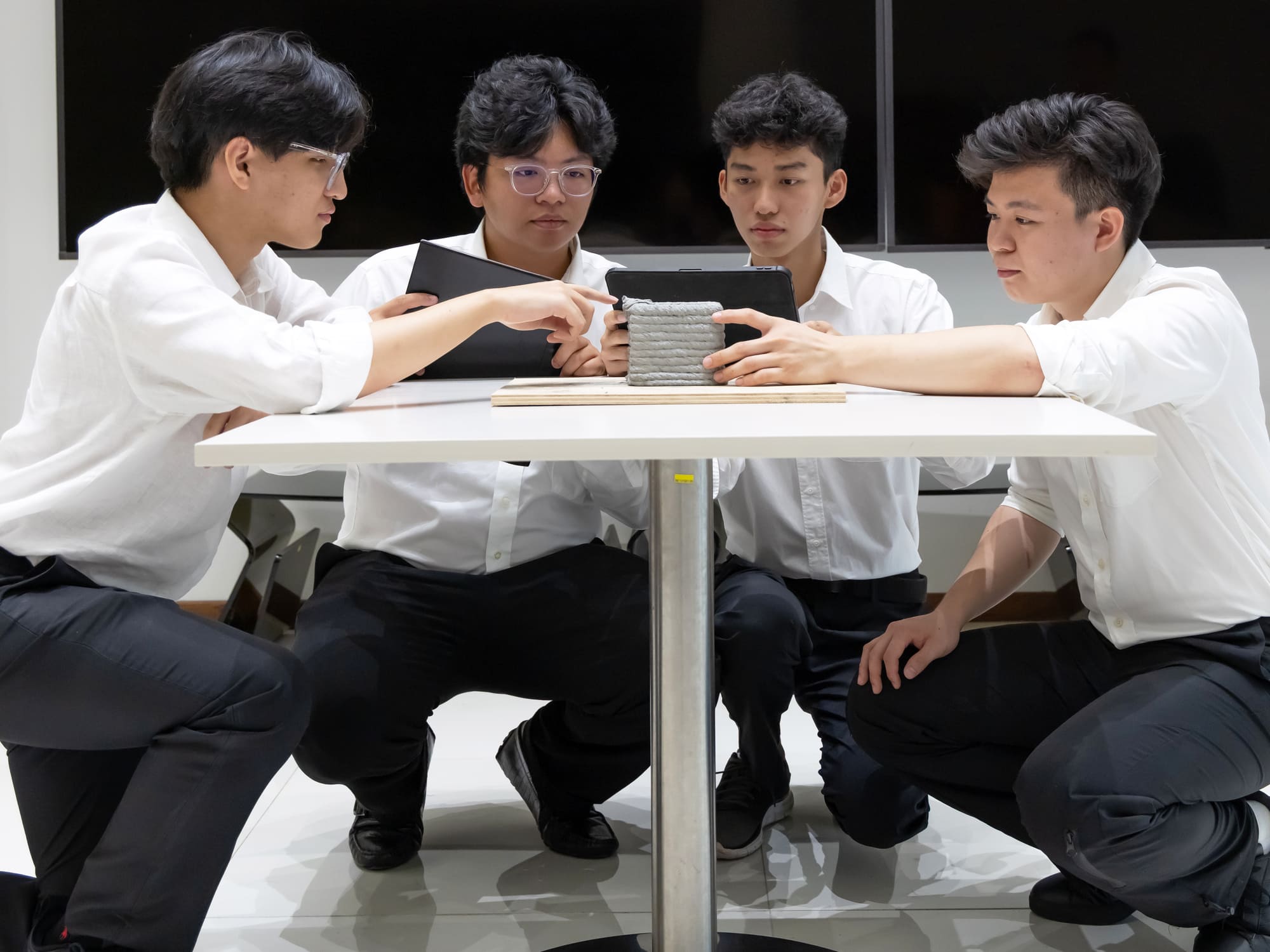
This research explores the development of innovative sawdust–cement composite formulations enhanced with Omya calcium carbonate and reinforcing fibres to improve early-age performance. By integrating sustainable sawdust waste with mineral additives, the study aims to achieve faster strength gain, improved durability and reduced environmental impact. The composites target applications in the built environment, offering a low-carbon alternative to conventional materials. Experimental investigations evaluate mechanical properties, microstructure, and early hydration behaviour, contributing to sustainable construction practices and advancing green building technologies.
Reviewing the performance of a 3D-printed sawdust–cement composite for construction
FYP team examining a 3D-printed sawdust–cement composite for green building applications.
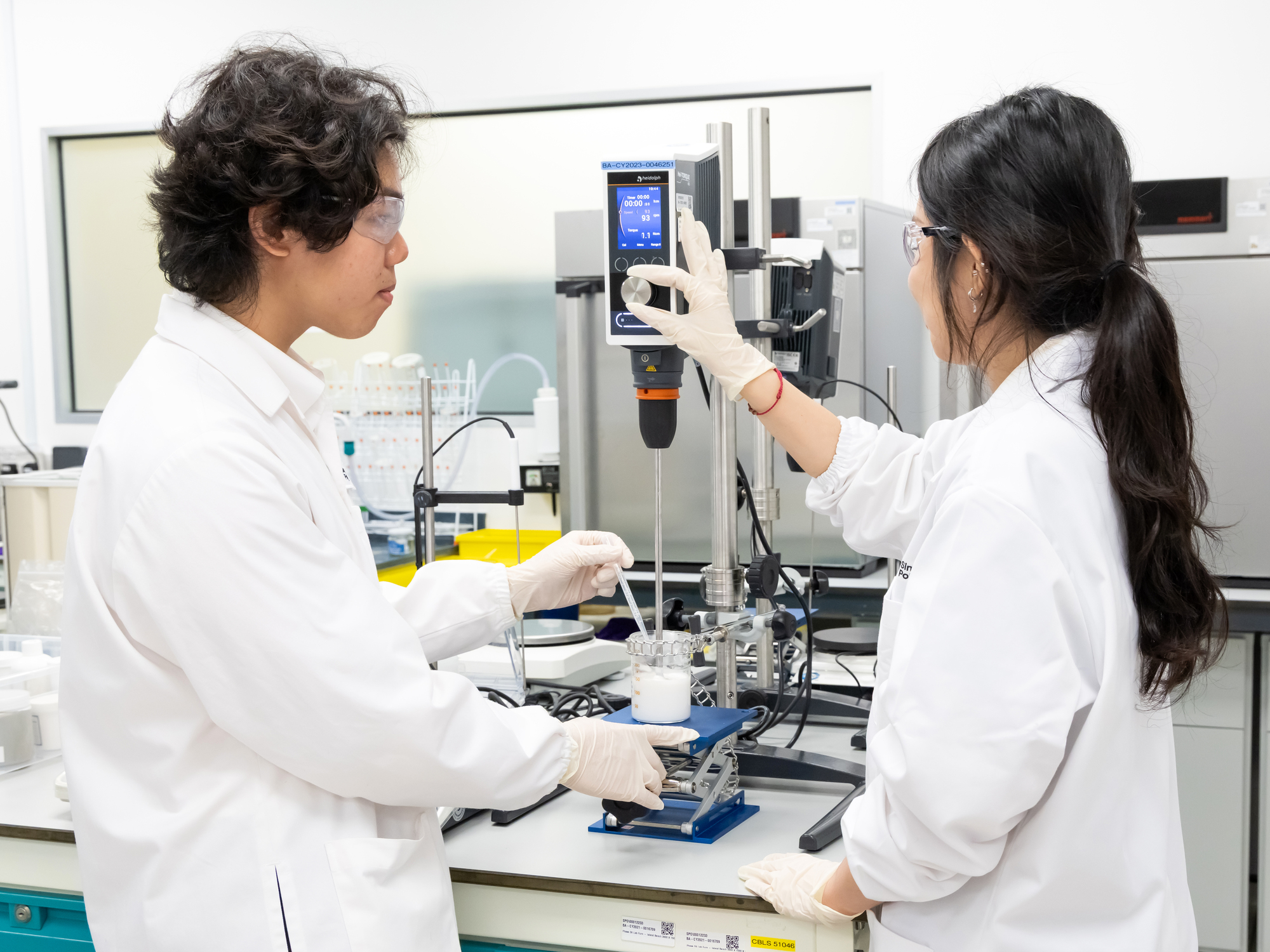
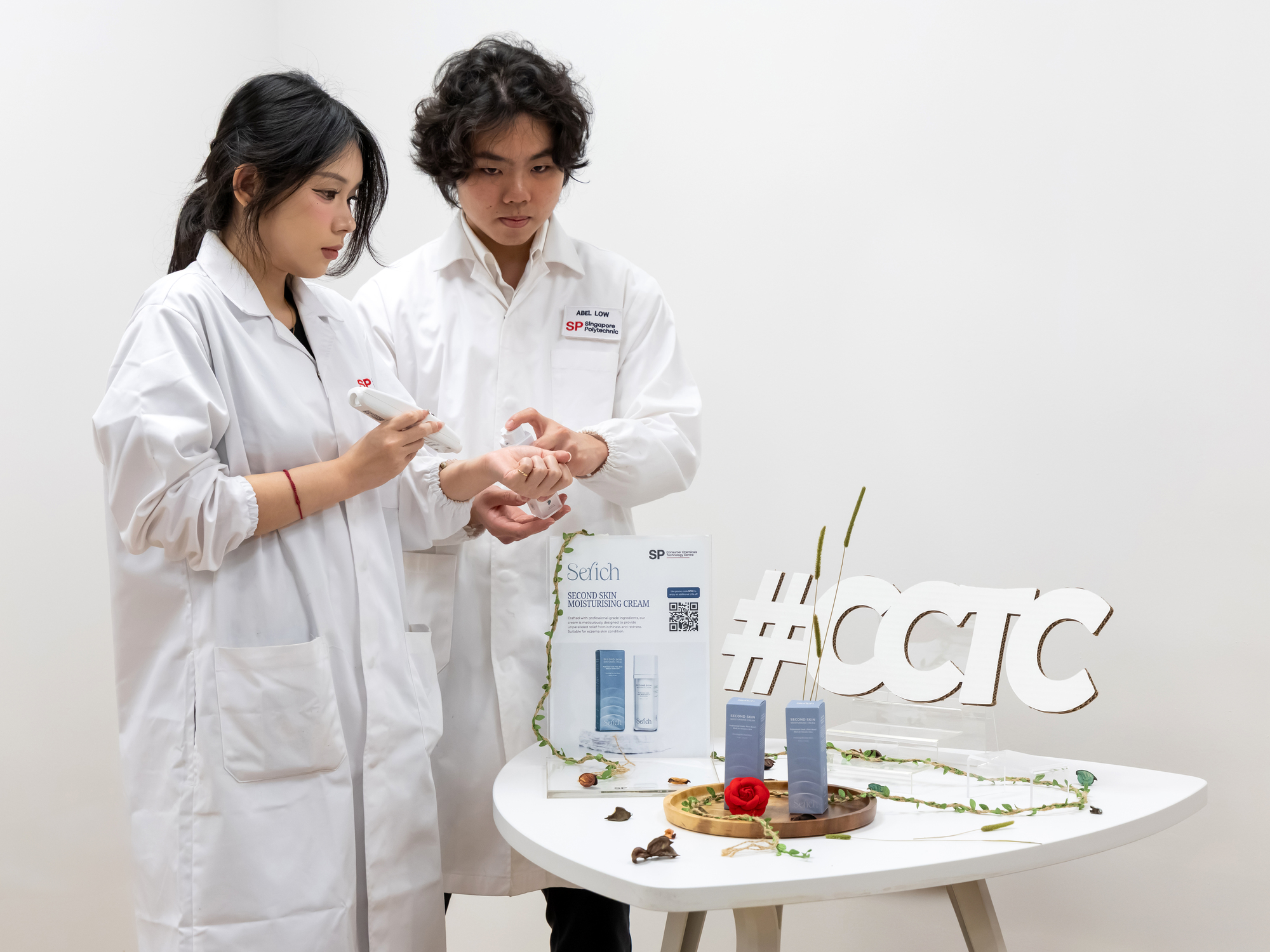
Formulated with vegan and plant-based ingredients, Serich’s second-skin moisturising cream is proudly made in Singapore and stands out as a steroid-free eczema-friendly option. It is suitable for all skin types, including sensitive and eczema-prone skin. It is also among the pioneering moisturising creams featuring PETA-Approved and EWG-certified ingredients, supporting skincare that is sustainable and non-toxic.
From Ideation to Formulation — CCTC is here to support your company’s journey.
Serich, a skin-friendly moisturizer, proudly made-in-Singapore would you like to try it?
SCHOOL: Development Department of Technology, Innovation & Enterprise
INDUSTRY PARTNER: Ogdoos LLP
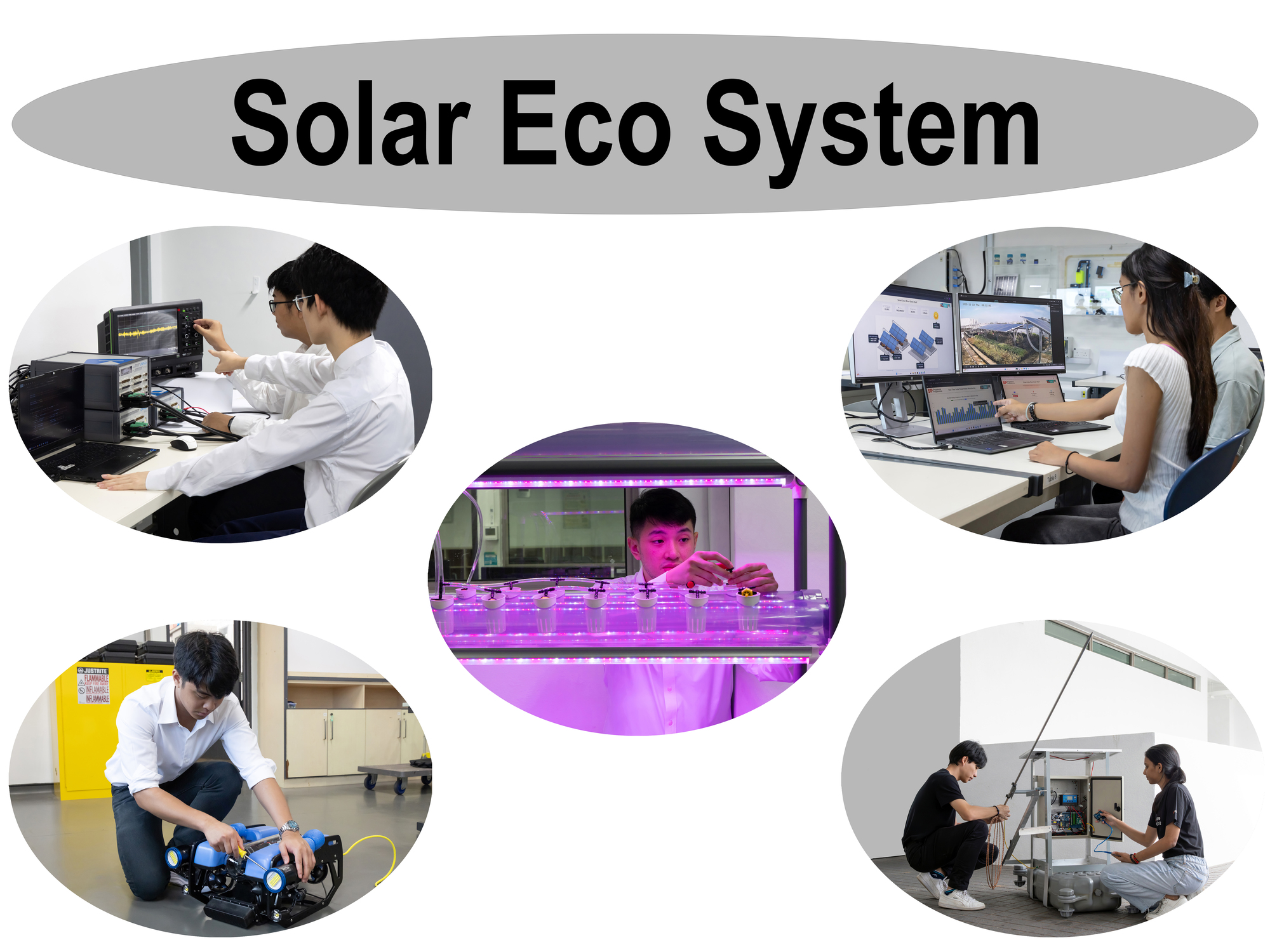
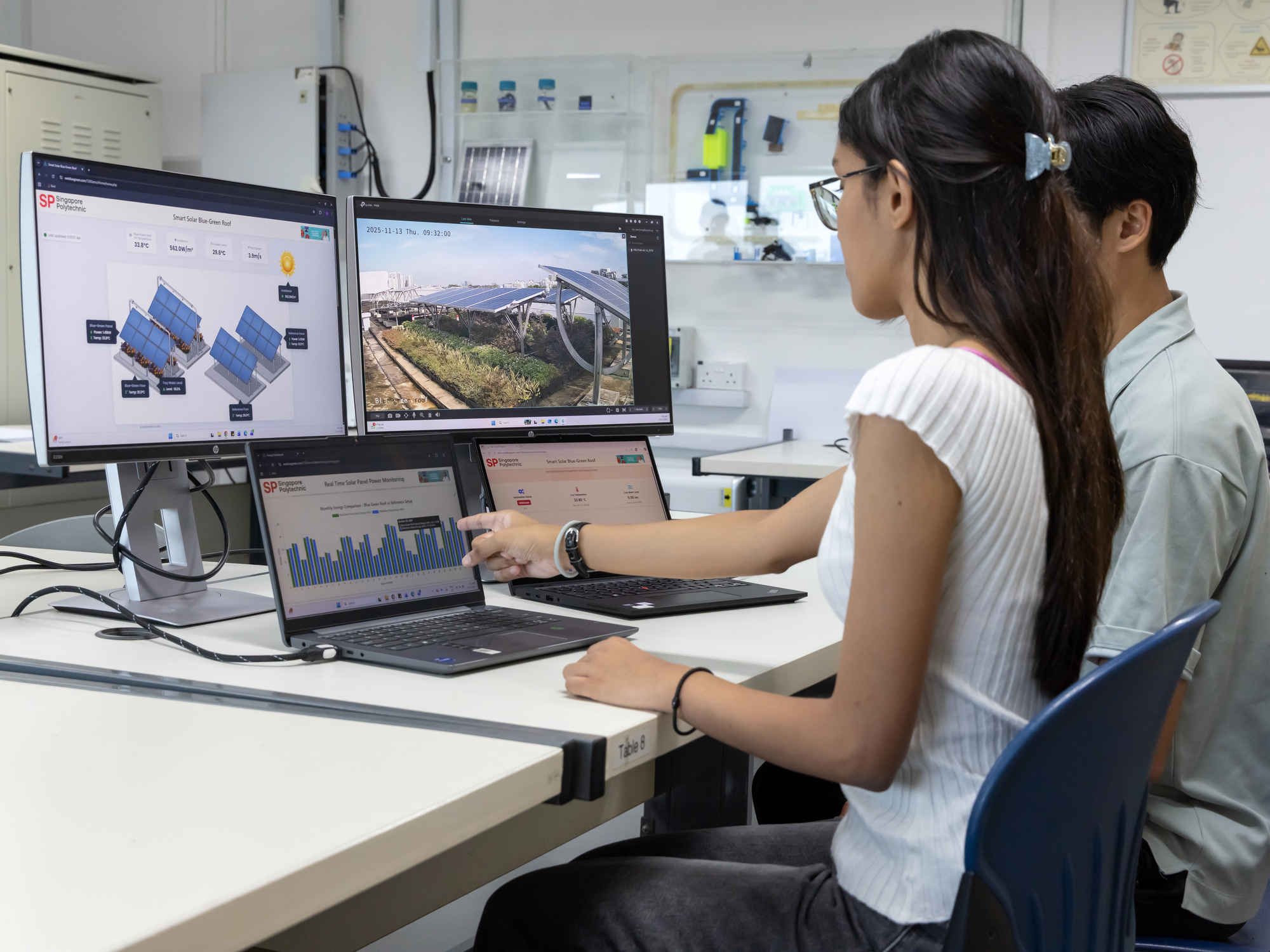
Singapore's smart solar ecosystem uses underwater robots, rooftop farms that cool buildings and AI batteries that predict failures. When storms hit or panels overheat, everything protects itself automatically.
It's like having AI engineers working 24/7—a model every city wants.
TEAM MEMBERS: Ahmad Aqil Bin Yusop | Anna Manickathan Poli | Ashokanand Pranaamika | Chin Kai Caleb | Deanna Shahzlynn Binte Mohamad Yusly | Ernest Ho Yi Kai | Gan Yu Heng | Goh Jin Xian | Jonas Yeo Kai Jie | Khant Lin Soe | Lan bo | Lim Chi Heng | Moe Thu Thu Khin | Neo Ashley | Ooi Zi Xian | Phoo Thin Zar Nway | Rafael Ng | Ravinash S Kunalan | Renzo Oracion Gandicela | Sai Han Kham | Taguiam Aislyn Rae | Tan Jia Ern | Thiha Soe | Wu Tong | Yap Jie Er
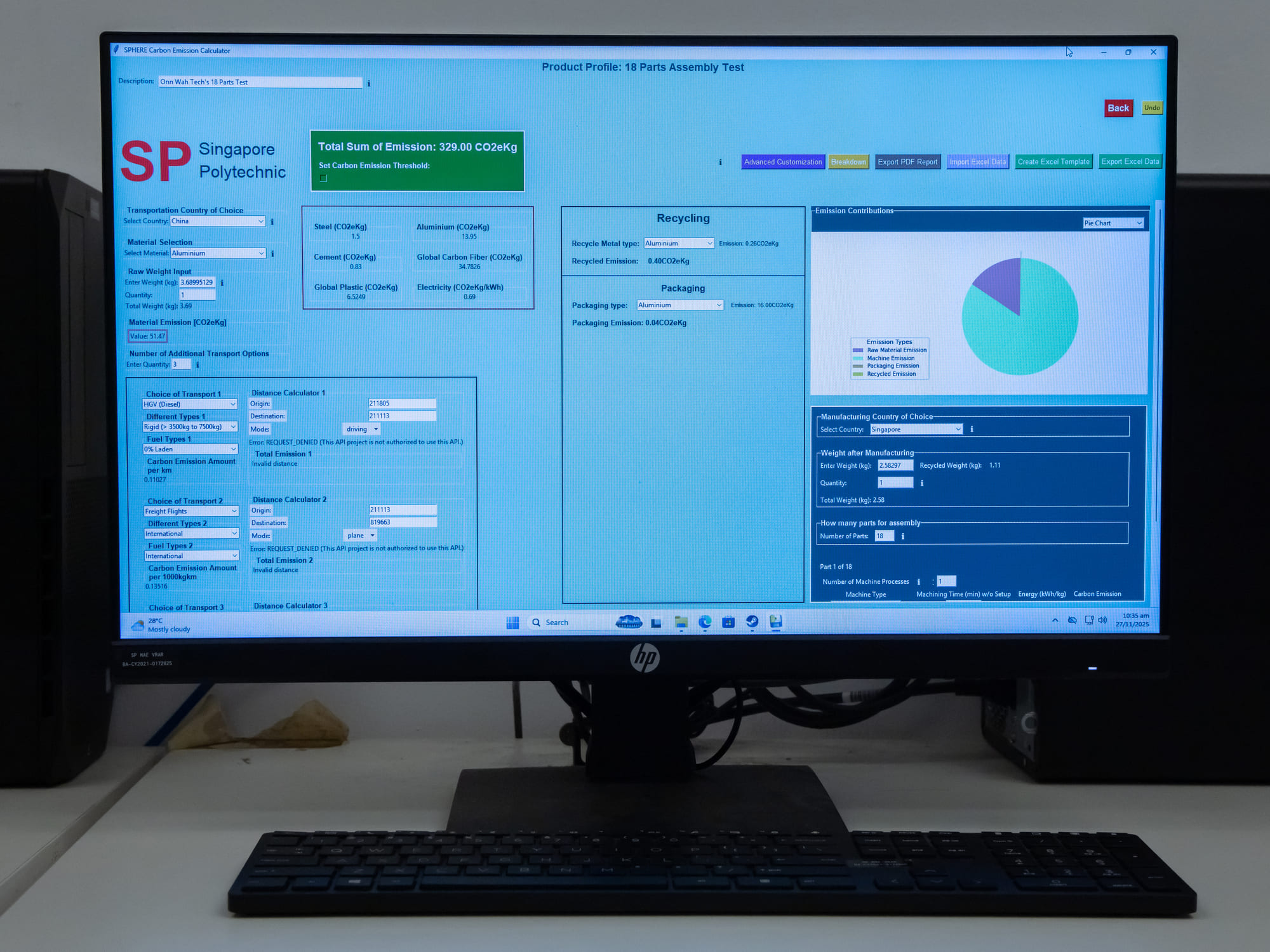
The project aims to carry out comprehensive studies of a product’s environmental impart, particularly its carbon footprints, from material selection through to transport modes and manufacturing processes. A Life Cycle Assessment (LCA) report will be generated at the end of each study.
Carbon Emission calculator, the graphical user interface with results
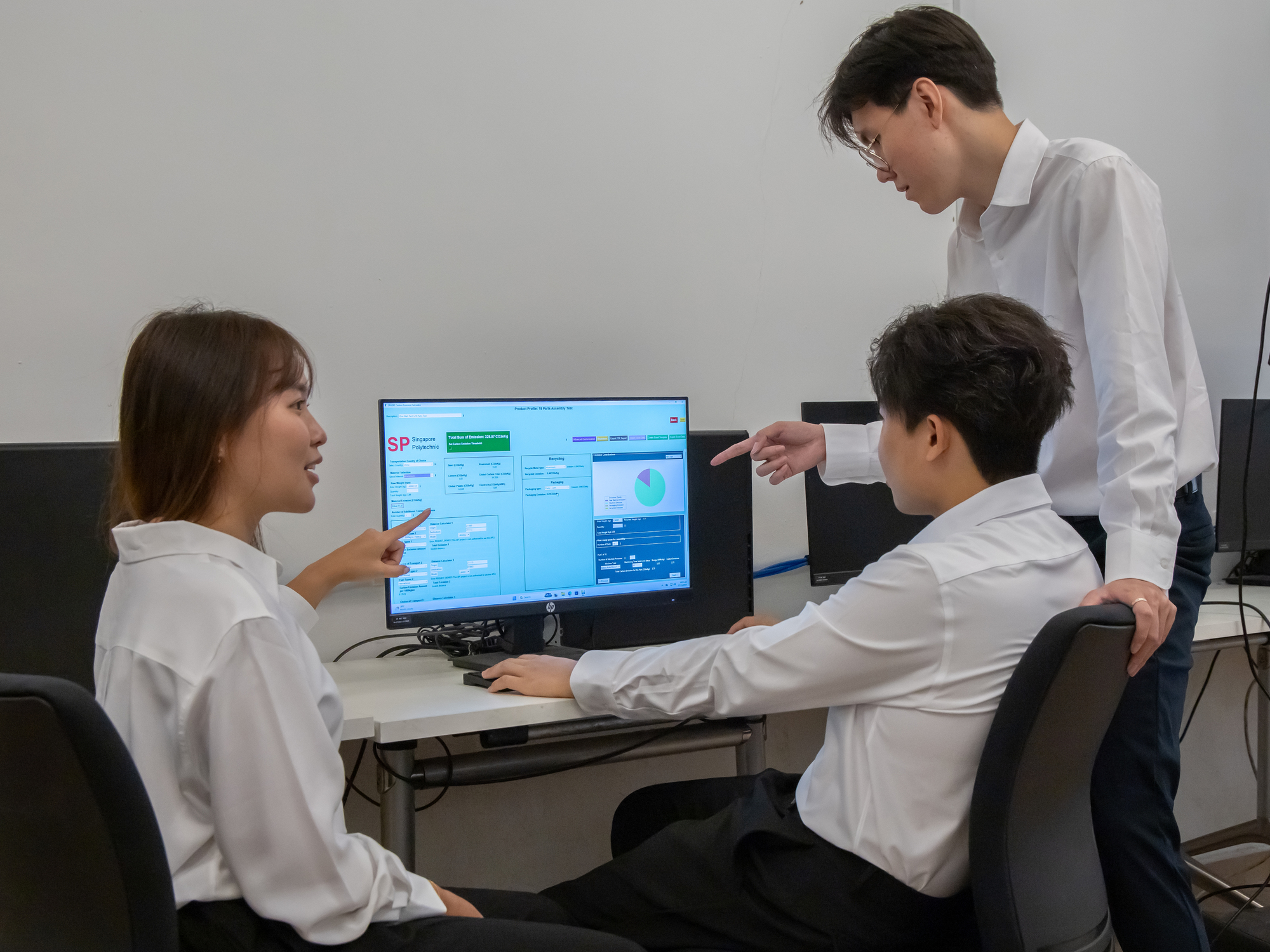
The group is evaluating UI design work, debating accuracy of result and graphical output.
-device/fs5_6723.jpg)
-device/fs5_6741.jpg)