Optometry is more than just eye care — it is about improving lives through vision. At Singapore Polytechnic, the Diploma in Optometry equips you with the scientific knowledge, clinical skills, and human touch needed to make a real difference. You’ll learn to assess eye health using advanced technology, provide tailored vision solutions, and build meaningful connections with patients. With hands-on training at our on-campus Optometry Centre and real-world exposure through industry internships, you’ll graduate ready to step into a rewarding healthcare career that blends science, empathy, and communication.
In addition, you will graduate with a Minor upon the completion of a suite of related elective modules. SP offers 6 Minors for you to choose from:
Please note: Course structure is subject to change.
The SP elective framework offers students options to pursue their passion and/or meet different career needs, and is an integral part of the holistic education we seek to provide to our students.
Learn about SP Elective Framework
The Common Core Curriculum equips you with essential human and digital skills to succeed in a changing world. Electives let you explore passions or tailor your studies to specific career goals, ensuring you're well-rounded.
Learn about Common Core Curriculum
What are the eligibility requirements for optometry?
You must meet the following criteria to qualify for the Diploma in Optometry:
Applicants with severe physical impairment may encounter difficulties meeting the course requirements and expectations. Please refer to the Optometrists & Opticians Board (OOB) Professional Practice Code and Guidelines on “Fitness to Practice” for guidance. Interested applicants with any of these conditions are advised to contact Singapore Polytechnic for more information.
Optometry is a people-centered profession, ideal for those who are empathetic, adaptable, and curious. If you enjoy engaging with individuals from all walks of life and can communicate comfortably and confidently, this course may be a great fit for you. Strong interpersonal skills are essential, as optometrists build trust with patients and guide them through important health decisions. If you're genuinely interested in science and enjoy working with cutting-edge technology to assess eye health, you'll thrive in this field.
Here’s a glimpse into the life of an Optometry student.
You start your day with a lecture on Geometrical & Physical Optics, then a lecture on Human Anatomy to learn about the different eye diseases and systems in our body. Your day includes lectures and socialising with friends. Imagine enriching yourself with new knowledge daily, surrounded by supportive peers who help you become the best version of yourself.
Watch this one-minute video to see a day in the life of an Optometry student. Follow our social media here to stay updated on life at SP!
SP offers many scholarships to recognise talent and service, from Year 0 to after graduation. These scholarships provide tuition fee waivers and chances to represent SP. They are awarded for academic excellence, contributions to arts or sports, and community service. Edusave awards and external sponsorships are also available.
Click here to find the full list of scholarships available
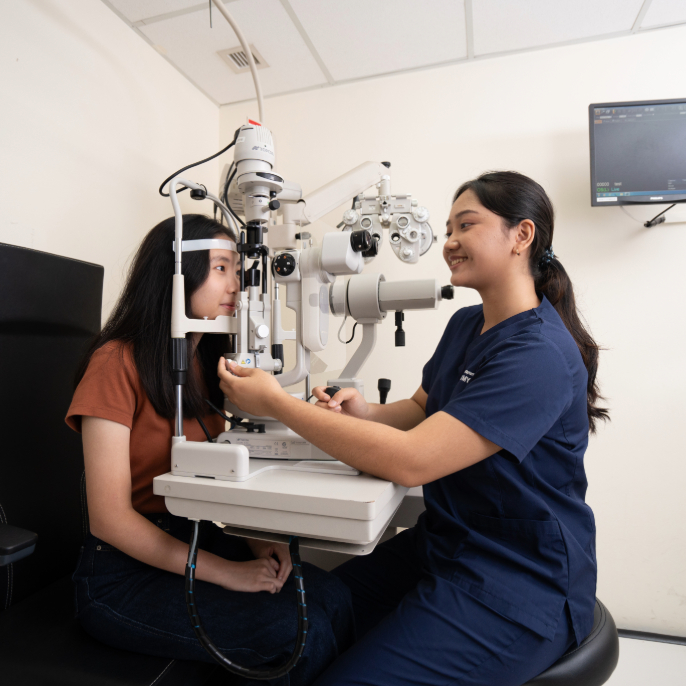
Optometry at SP prepares me for the future.
To succeed in optometry, you need real-world practice.
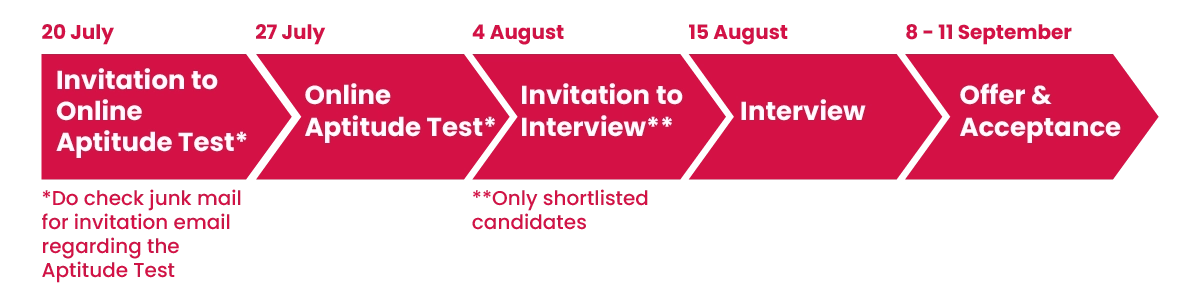
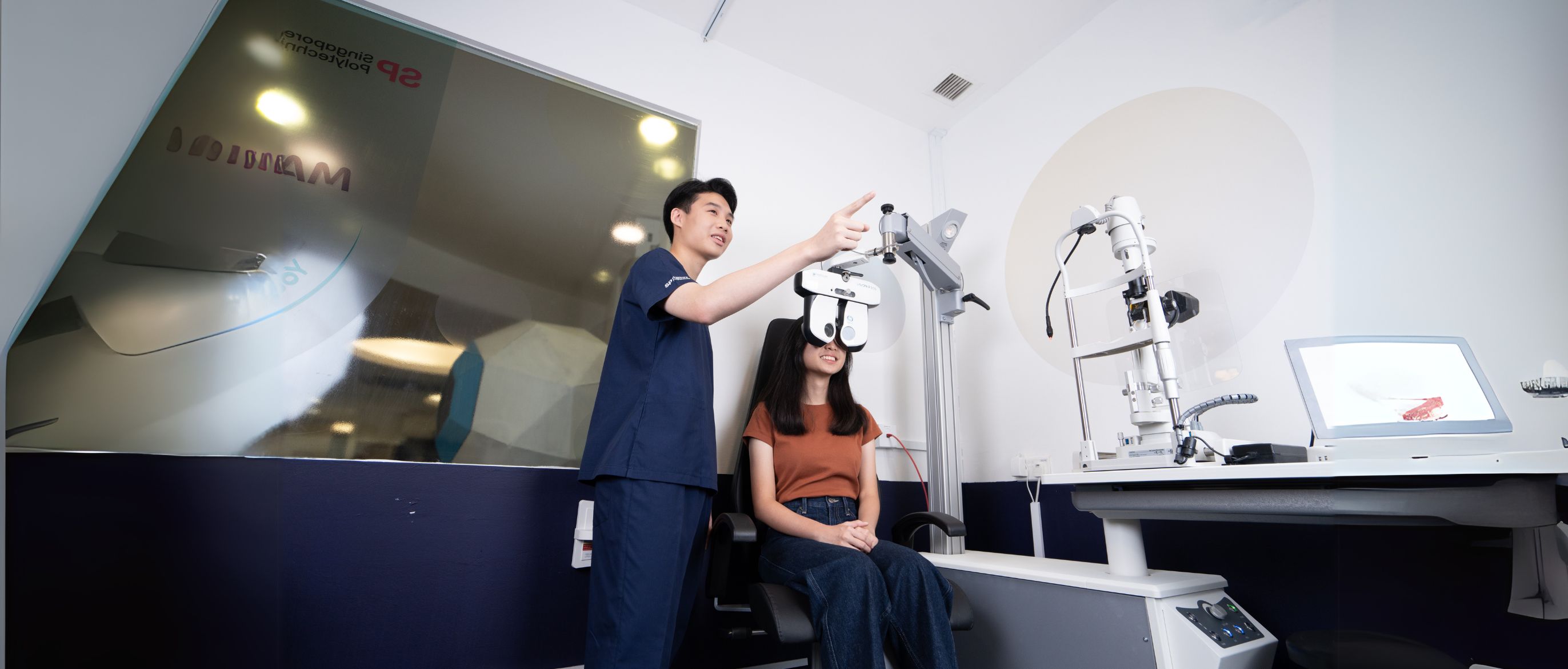
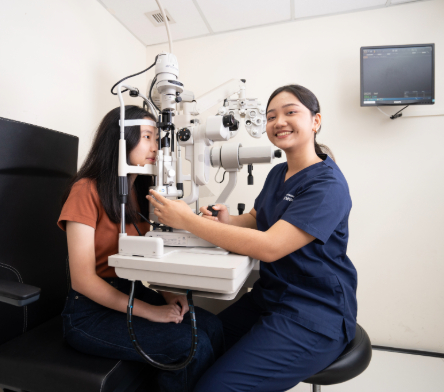
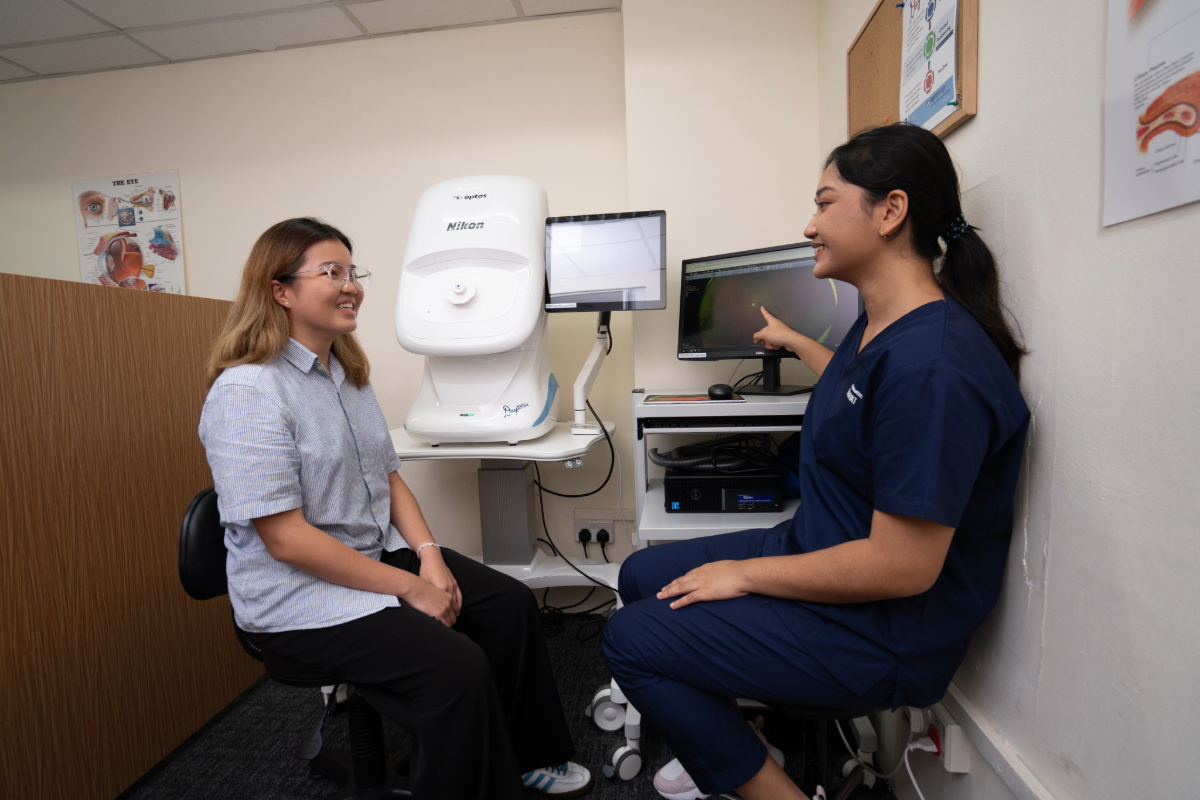
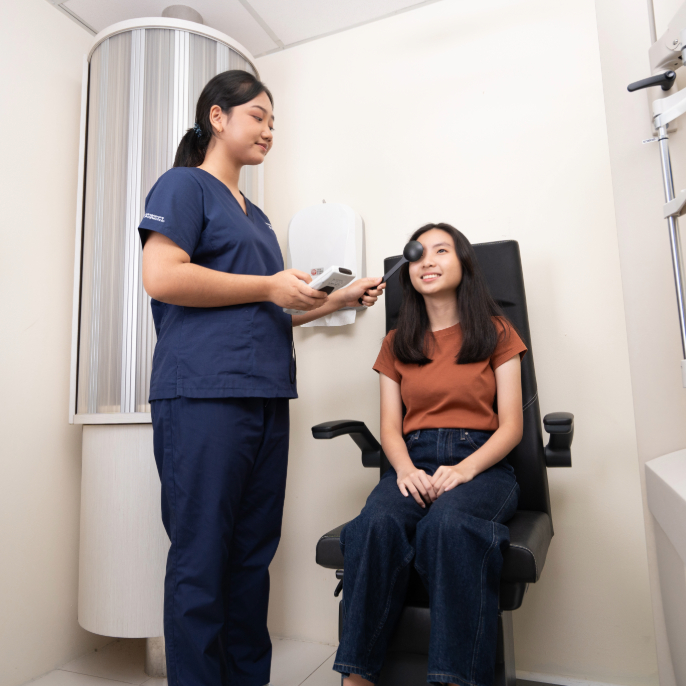
At SP, you’ll train in our state-of-the-art SP Optometry Centre, supported by leading global brands like Zeiss and EssilorLuxottica. Here, you’ll perform comprehensive eye examinations and sharpen your clinical skills using advanced diagnostic tools such as the Ultra-widefield Fundus Camera and Optical Coherence Tomography (OCT).
Our diploma also equips you with specialized training in Orthokeratology (Ortho-K) — one of the effective options for myopia management — along with exposure to other evidence-based myopia control strategies. We work closely with industry partners to co-train students, ensuring you learn the latest techniques and best practices. Our staff regularly update their expertise through industry training and international conferences, so you benefit from cutting-edge knowledge and skills.
Optometry at SP prepares me for Singapore.
Optometry in Singapore presents substantial opportunities, driven by one of the highest myopia rates globally and an aging population with increasing eye care needs. This means rising demand for myopia control, early detection of eye diseases, and comprehensive eye care services. With advancements in digital tools, optometrists can now deliver more precise, personalised care. These factors make optometry a critical and expanding profession in Singapore and across Asia, offering strong career prospects and opportunities for specialisation.
Optometry at SP prepares me for the world.
Optometry is a diverse profession with multiple areas of specialisation. At SP, you can explore:
These specialisations give you a strong foundation and flexibility to pursue a rewarding career in eye care — whether in clinical practice, research, or industry.
SP students take on 22-week internships at various organisations, including startups, SMEs, MNCs, and government agencies. Optometry students have interned at places like Johnson & Johnson Vision Care, EssilorLuxottica, Zeiss Vision Care, Eagle Eye Centre and optical shops.
Some students have made notable contributions, even outperforming university interns. Many who start as interns are offered advanced positions like Clinical Optometrists. These opportunities provide practical knowledge and a strong start to your optometry career.
A good SP internship offers meaningful work, learning opportunities, and professional growth. You'll gain industry insights, network with professionals, and receive mentorship to enhance your confidence and employability. SP internships often lead to higher starting salaries and informed career decisions, providing a strong foundation for your future.
Overseas exposure is important because it expands your perspective and helps you understand globalisation. As Singapore is a global city, working with different cultures is essential.
Optometry students have opportunities for study trips and community service projects to neighbouring countries like Malaysia, Indonesia and Cambodia. These experiences broaden your view and enhance your skills. Being involved in CCAs also provides chances to represent Singapore internationally.
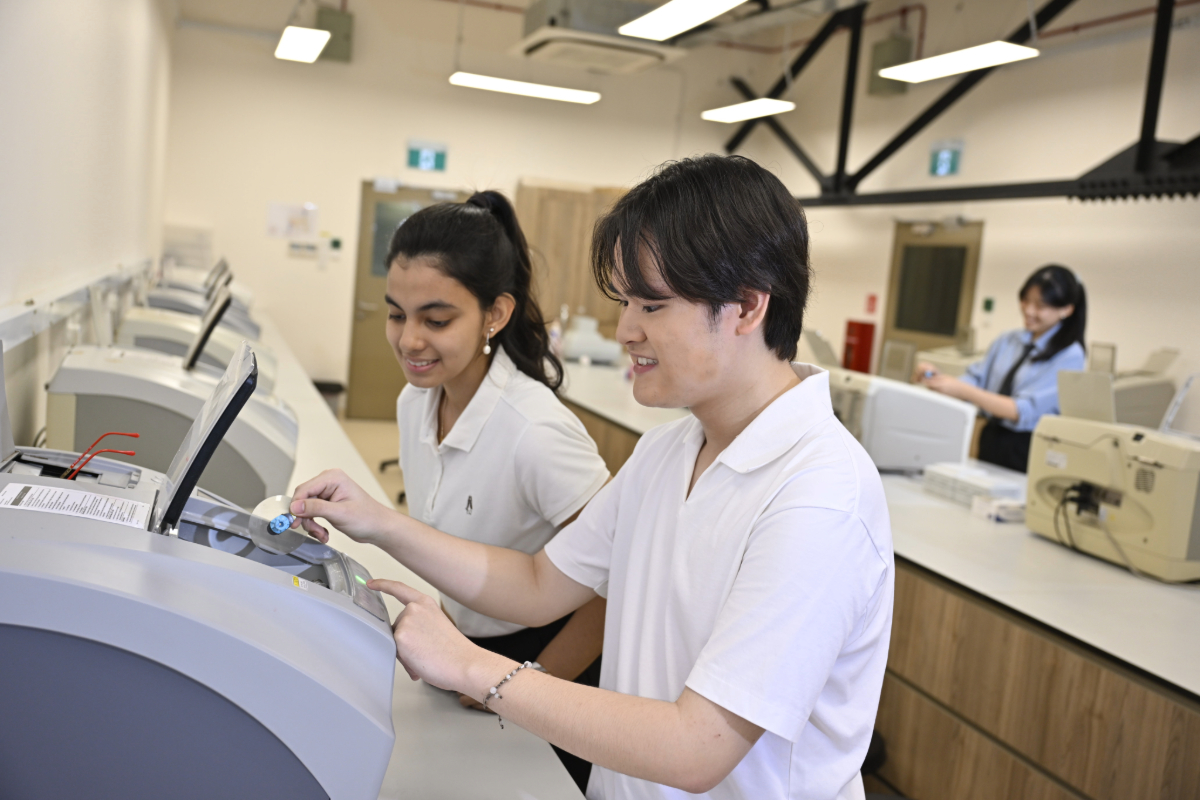
Most students who continue their education after an optometry diploma choose to specialise further or explore related fields that complement their diploma. Alumni have pursued degrees in Optometry, Medicine, Biological Sciences, and Allied Health. Common degrees include:
Graduates can apply to related degree programs at international universities and may receive module exemptions or direct entry into advanced years.
If you’re preparing for university and want to make the most of your diploma time, an SP diploma can let you fast-track your education by 0.5-2 years!





Singapore Polytechnic
500 Dover Rd Singapore 139651